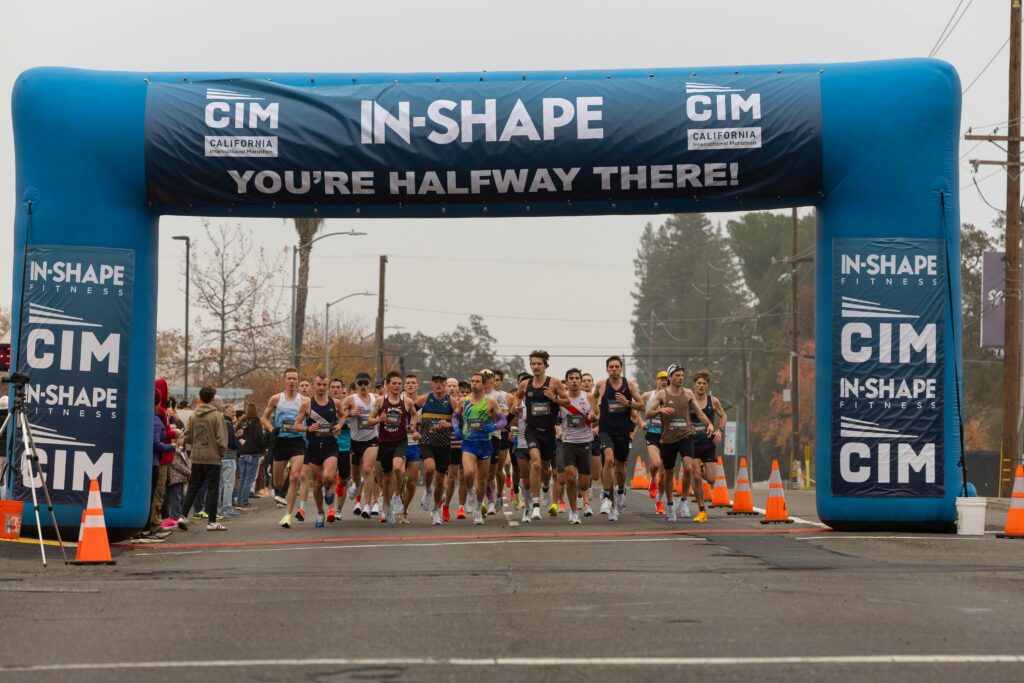
Photo by Stephen Leonardi
Events no longer end when attendees leave the venue. Photos, videos, livestreams, and social posts extend their lifespan indefinitely. In this context, photographable event custom backdrops are not just visual décor. They are media assets that influence how a brand appears long after the event is over.
Many brands still design custom backdrops and banners for in-person viewing only. This is a mistake. Cameras flatten depth, exaggerate contrast, and magnify flaws that are easy to ignore in real life. A custom backdrop that looks acceptable on-site can perform poorly on camera, weakening brand perception across shared content.
Photographable event custom backdrops must be designed for dual performance. They need to work in the room and on screen. This requires understanding how cameras interpret colour, scale, lighting, and layout.
Contrast is one of the most important factors. Cameras struggle with low-contrast designs, especially in uneven lighting. Subtle colour differences disappear on screen. Photographable event custom backdrops benefit from clear contrast between background and foreground elements. Logos and key messages should stand out immediately without relying on close inspection.
Scale also matters. Text that feels large enough in person often appears too small in photos. Cameras capture wider scenes, reducing relative size. Photographable event custom backdrops should use oversized logos, simplified messaging, and generous spacing to remain legible in wide shots.
Colour behaviour changes on camera. Highly saturated colours can blow out under lighting, while very dark colours lose detail. Neutral or mid-tone backgrounds paired with strong accent colours tend to photograph more reliably. Photographable event custom backdrops should avoid extreme colour combinations that rely on perfect lighting.
Matte finishes generally perform better than gloss. Glossy surfaces reflect light unevenly, creating hotspots and glare that obscure branding. Matte materials diffuse light, producing more consistent results. Photographable event custom backdrops prioritise readability over shine.
Typography choices influence camera performance. Thin fonts, light weights, and intricate letterforms lose clarity in photos. Bold, clean typography holds up better at distance and resolution loss. Photographable event custom backdrops should prioritise legibility over stylistic detail.
Logo placement should account for framing. Photographers and attendees tend to centre people, not custom backdrops. Logos placed too high or too low are often cropped out. Photographable event backdrops place key branding near eye level and repeat it subtly to increase capture likelihood.
Repetition improves odds. A single logo centred perfectly assumes ideal framing. Multiple, well-spaced brand elements increase the chance that branding appears in photos regardless of composition. Photographable event backdrops use repetition strategically, not excessively.
Lighting conditions are rarely controlled fully. Exhibition halls, conference venues, and pop-ups vary widely. Designs that rely on perfect lighting fail easily. Photographable event backdrops should be tested under uneven or harsh lighting to ensure performance.
Material stability matters. Wrinkled fabric, curling edges, or sagging banners show immediately on camera. These flaws reduce perceived quality. Photographable event backdrops require tensioned systems, rigid substrates, or well-fitted frames to maintain clean lines.
Background noise should be minimised. Busy patterns, gradients, or detailed imagery compete with subjects in photos. This distracts from both people and branding. Photographable event backdrops work best when backgrounds are restrained and intentional.
Portability should not compromise appearance. Lightweight systems are practical, but they must still present professionally. Photographable event backdrops should look deliberate, not temporary, even when designed for mobility.
Designing Photographable Event Custom Backdrops That Extend Brand Value
The strongest backdrops are designed with post-event use in mind. Events generate content, but only if branding remains visible and attractive in shared media.
Start by defining the primary camera angle. Most photos are taken head-on. Designs should prioritise this perspective. Secondary angles are important, but the primary view should be optimised.
Consider how people interact with the space. Step-and-repeat backdrops work because they are designed specifically for photography. Even non-photo backdrops can borrow this thinking. Photographable event backdrops anticipate human positioning.
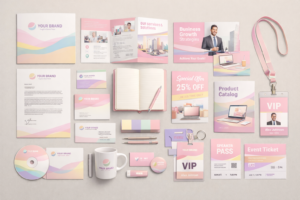
Consistency across assets strengthens recognition. Backdrops, pull-up banners, and supporting signage should share the same visual language. When these elements appear together in photos, brand recall improves. Photographable event backdrops work best as part of a system, not standalone pieces.
Size should be proportional to space. Undersized backdrops disappear behind people and furniture. Oversized backdrops dominate awkwardly. Photographable event backdrops should frame interaction naturally without overwhelming it.
Durability influences reuse. Backdrops that survive transport and repeated setup can be used across multiple events, shoots, and activations. This extends return on investment. Photographable event backdrops should be built for repeat visibility, not single use.
Testing before events prevents disappointment. Viewing designs on screen is not enough. Mock setups, test photos, and lighting checks reveal issues early. Photographable event backdrops benefit from rehearsal as much as stage design.
Brand restraint improves performance. Overloading backdrops with messaging reduces clarity. A strong logo, a simple tagline, and clear colour usage outperform dense information. Photographable event backdrops should support conversation, not replace it.
Consider how content will be cropped for different platforms. Square, vertical, and horizontal formats all matter. Designs should allow flexible cropping without losing brand presence. Photographable event backdrops accommodate multiple aspect ratios.
Think beyond events. Backdrops can double as office photo walls, media interview backgrounds, or internal content stages. Photographable event backdrops gain value when designed for multiple contexts.
Working with experienced print and branding partners improves outcomes significantly. Camera behaviour, material choice, and production quality must align. Collaboration with Kawaii Labs Corporate supports this process by ensuring custom backdrops and banners are designed and produced to perform reliably both on-site and on camera.
Ultimately, events are temporary, but content is permanent.
Photographable event backdrops turn physical presence into lasting visibility. They protect brand perception in every shared image and video.
When designed intentionally, backdrops and banners stop being background elements. They become active brand assets that continue working long after the event ends.