Photo by Kawaii Labs
Branded pop-ups are temporary by nature, but their impact should not be. When executed well, they create focused brand experiences that drive awareness, engagement, and recall. When executed poorly, they feel improvised and forgettable. Knowing what to include in branded pop-ups is the difference between a space that attracts attention and one that is walked past.
The first principle of pop-ups is clarity. Visitors should understand who the brand is and what it offers within seconds. Pop-ups operate in busy environments where attention is limited. Clear visual cues, simple messaging, and strong hierarchy are essential.
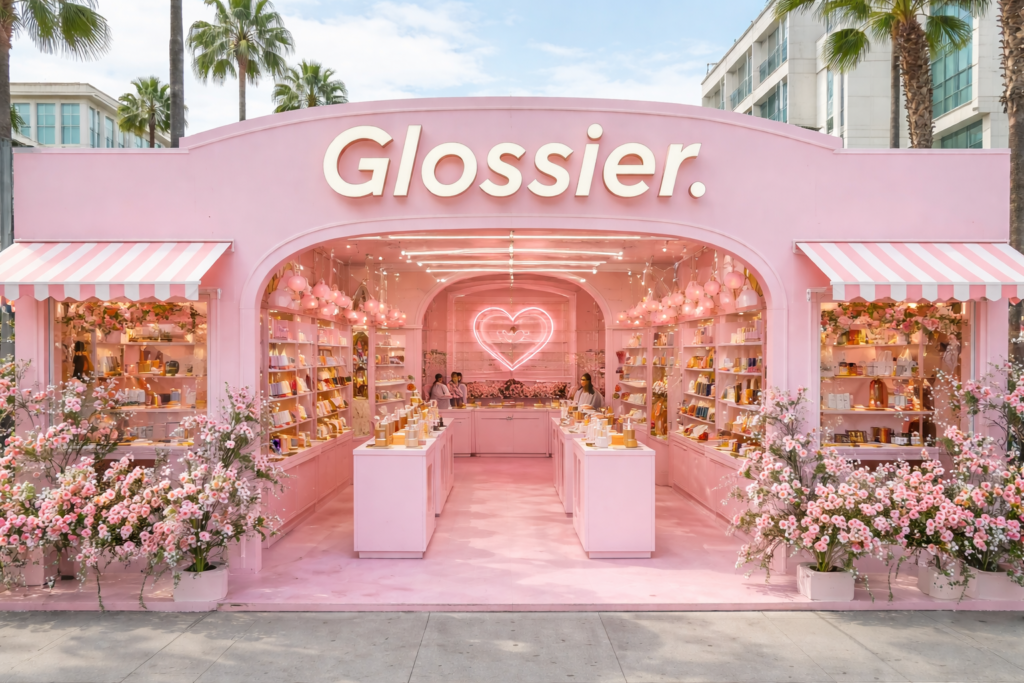
Signage is the most critical element. This includes primary brand identification that is visible from a distance and secondary messaging that explains the offering. Pop-ups should use large-format signage to establish presence and smaller signs to support interaction. Overloading signage with information reduces effectiveness.
Brand consistency must be maintained. Colours, typography, and logo usage should match existing brand systems. Pop-ups that look disconnected from other brand touchpoints weaken recognition. Consistency builds trust, especially for first-time interactions.
Layout influences behaviour. A good pop-up layout invites entry rather than blocking it. Open fronts, clear pathways, and defined zones encourage movement and exploration. Branded pop-ups should feel welcoming rather than enclosed or cluttered.
Display furniture plays a functional and visual role. Tables, counters, and shelving should support product interaction while reinforcing brand tone. Mismatched or generic furniture undermines cohesion. Pop-ups benefit from simple, repeatable display elements that can be reused across locations.
Printed materials support understanding. Brochures, flyers, product cards, or price lists provide take-home value. These items extend the pop-up’s impact beyond the physical space. Pop-ups should always include something visitors can keep.
Packaging matters even in temporary spaces. Products handed over in unbranded or generic packaging lose impact. Pop-ups should include bags, wraps, or boxes that reinforce identity and photograph well.
Merchandise selection should prioritise usability. Items displayed or sold should align with brand positioning and audience needs. Pop-ups that rely on novelty often attract attention briefly but fail to build lasting value.
Staff presentation is part of the brand. Apparel, name tags, and consistent styling improve professionalism and approachability. Pop-ups feel more cohesive when staff are clearly identifiable and aligned with the visual environment.
Lighting is often overlooked but highly influential. Pop-ups frequently operate in venues with poor or inconsistent lighting. Additional lighting highlights products and improves photography. Branded pop-ups should plan lighting intentionally rather than relying on ambient conditions.
Interactive elements increase dwell time. Product demos, sampling, or guided explanations encourage engagement. Branded pop-ups benefit when visitors can do something, not just look.
Digital integration supports follow-up. QR codes, mailing list sign-ups, or social prompts connect the physical experience to ongoing communication. Branded pop-ups should not exist in isolation from broader marketing efforts.
Durability and portability matter. Pop-ups require transport, setup, and breakdown. Materials should withstand repeated use. Branded pop-ups designed for reuse deliver better return on investment.
Photography considerations should be built in. Backdrops, clean sightlines, and branded surfaces encourage social sharing. Branded pop-ups that photograph well extend reach organically.
Building Branded Pop-Ups That Deliver Real Value
Effective branded pop-ups are planned as systems, not one-off displays.
Start with objectives. Is the goal awareness, lead generation, sales, or testing. Objectives guide what to include and what to exclude. Branded pop-ups fail when they try to do everything at once.
Prioritise key elements. Not everything needs branding. Focus on high-impact surfaces and touchpoints. Restraint improves clarity.
Test scale and visibility. Elements that look sufficient on paper may disappear in real space. Branded pop-ups should be reviewed at full scale before final production.
Standardise components where possible. Modular signage, reusable furniture, and adaptable graphics simplify logistics. Branded pop-ups benefit from repeatable systems.
Plan for staffing needs. Storage, breaks, and workflow affect how smoothly the pop-up operates. Operational friction is visible to visitors.
Align messaging with context. Mall pop-ups, markets, and expos attract different audiences. Branded pop-ups should adapt messaging without changing identity.
Measure success beyond foot traffic. Engagement quality, follow-up actions, and brand recall matter more than raw numbers. Branded pop-ups are about impression, not just presence.
Budget realistically. Investing in fewer, higher-quality elements often delivers better results than spreading budget thinly. Branded pop-ups reward focus.
Working with experienced branding and print partners improves outcomes significantly. Pop-ups require coordination between design, print, and production. Collaboration with Kawaii Labs Corporate supports this process by aligning branded pop-ups with visual identity, material quality, and practical deployment.
Ultimately, branded pop-ups succeed when they feel intentional.
They should communicate clearly, invite interaction, and leave visitors with something tangible to remember. Temporary spaces demand decisive branding.
When you include the right elements and remove unnecessary ones, branded pop-ups become powerful tools for visibility, engagement, and lasting brand impact.