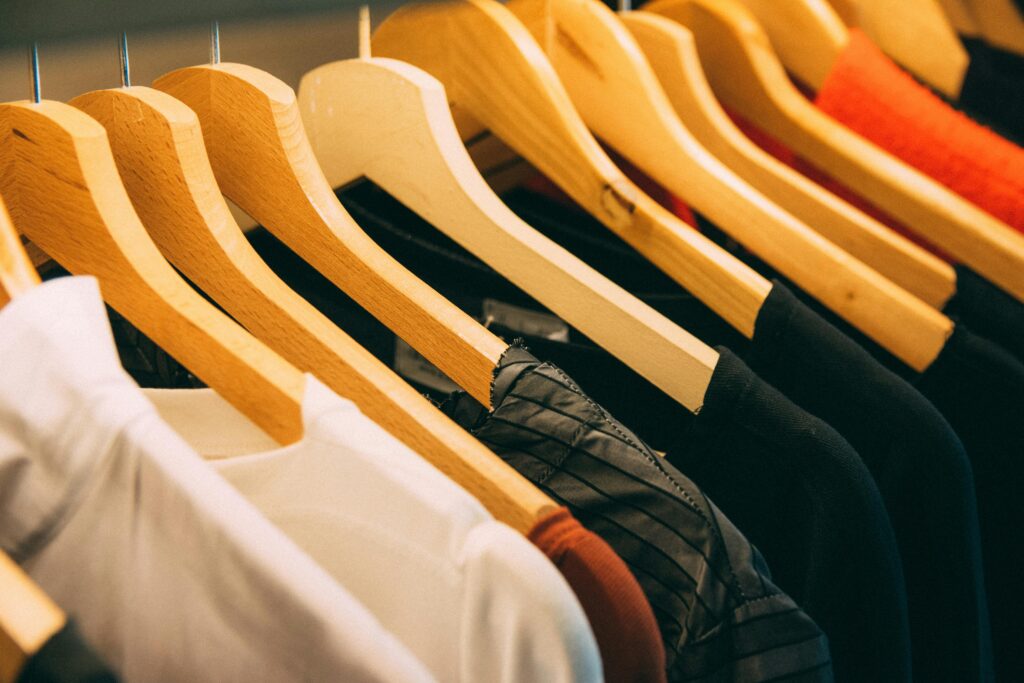
Photo by Kai Pilger
Why Event T-Shirts Matter More Than You Think
Event t-shirts are often treated as an afterthought. A logo gets placed on a shirt, sizes are guessed, and the result is something worn once, then forgotten. This is a missed opportunity.
A well-designed event t-shirt is not just apparel. It is a mobile brand asset, a memory trigger, and a piece of social proof. When people wear event t-shirts after the event, they extend the life of the experience and amplify brand visibility organically.
Event t-shirt design influences whether the shirt is worn again. Poor design turns it into sleepwear. Good design turns it into a favourite.
At Kawaii Labs Corporate, event apparel is designed with post-event wear in mind, not just day-of visibility.
Start With the Purpose of the T-Shirt
Before designing anything, clarify the role the t-shirt needs to play. Event t-shirts generally fall into three categories:
- Staff or crew identification
- Participant or attendee keepsakes
- Promotional or giveaway items
Each purpose requires a different design approach. A staff shirt must prioritise visibility and clarity. A participant shirt should prioritise style and comfort. A giveaway shirt must balance branding with broad appeal.
Trying to design one shirt to serve all purposes usually results in compromise. Clear intent improves outcomes.
Design for Wearability, Not Just Branding
The biggest mistake in event t-shirt design is over-branding. Large logos, excessive text, and sponsor clutter make shirts feel promotional rather than wearable.
People wear clothing that feels like clothing, not advertising.
Design for:
- Clean layouts
- Minimal text
- Balanced logo placement
Front-centre logos often feel corporate. Smaller chest logos, sleeve branding, or back designs feel more casual and wearable.
If the shirt looks good without knowing the event context, it will get worn again.
Colour Choices That Maximise Impact
Colour affects both visibility and wearability. Bright colours stand out at events but are often avoided afterward. Neutral colours get worn more but may blend into the crowd.
The solution is intentional contrast.
Choose a base colour people are comfortable wearing regularly, then use contrast in the print to create impact. Dark shirts with light print or light shirts with dark print maintain readability without being loud.
Avoid trendy colours unless they align strongly with brand identity. Event shirts should age well.
Also consider environment. Outdoor events, lighting conditions, and photography all affect how colours appear.
Typography That Works at a Distance
Event environments are busy. Typography needs to be legible at a distance and in motion.
Avoid overly thin fonts or decorative scripts. Clean, bold typefaces perform better in real-world conditions.
Limit the amount of text. One strong phrase or message is more effective than multiple lines of information.
Hierarchy matters. If text is included, the most important message should be readable from several metres away.
Remember that people move. Designs should be readable while walking, not just standing still.
Placement Matters More Than Size
Where design elements sit on the shirt often matters more than how big they are.
Popular effective placements include:
- Small chest logo with strong back graphic
- Vertical sleeve text
- Upper-back messaging below the neckline
Avoid placing critical information too low. It gets obscured when people sit or move.
Designs should work across body types. Avoid placements that distort heavily on different sizes.
Testing placement on mockups across multiple sizes helps prevent surprises.
Designing for Group Impact
Event t-shirts are often seen in groups. Design should consider how multiple shirts look together.
Consistent colour and layout create visual unity. This is especially important for staff or volunteers. A cohesive group looks organised and professional.
However, unity does not require uniformity. Subtle variations, such as role-based text or icons, add interest without breaking cohesion.
Group impact is often more important than individual detail.
Fabric and Print Method Influence Design
Design should never be separated from production reality. Fabric choice and print method affect how designs appear and last.
Certain colours print differently on different fabrics. Fine detail may be lost depending on print method. Large solid areas may feel heavy on some garments.
Designs should be adapted for:
- Breathability
- Durability
- Comfort
A design that looks great on screen may fail in print if not adjusted.
At Kawaii Labs Corporate, event t-shirt design is always considered alongside fabric and print method to ensure consistency and quality.
Event Details Without Date Lock-In
Including event names or years can increase sentimental value but reduce re-wearability.
A common solution is subtle event referencing. A small date or icon can mark the occasion without dominating the design.
This allows the shirt to function as a keepsake without feeling outdated.
Ask whether the shirt should commemorate the event or promote the brand long-term. Design choices follow from that answer.
Avoiding Common Event T-Shirt Mistakes
Several mistakes consistently reduce impact:
- Overcrowded designs
- Too many logos or sponsors
- Poor colour contrast
- Cheap fabric choices
- Ignoring how shirts look after washing
Each of these reduces the likelihood that the shirt will be worn again.
Event t-shirts succeed when they feel intentional rather than obligatory.
Measuring the Success of Event T-Shirts
Success is not measured by how many shirts were distributed. It is measured by how many are still being worn.
Indicators include:
- Post-event sightings
- Social media photos
- Staff feedback
- Condition after repeated washes
If people wear the shirt willingly, the design worked.
Why Event T-Shirts Are Long-Term Brand Assets
Event t-shirts extend the life of an event far beyond the day itself. They trigger memories, conversations, and recognition.
A good event t-shirt becomes part of someone’s wardrobe. That is powerful brand placement.
Poorly designed shirts disappear quickly. Well-designed ones quietly market the brand for years.
Final Thoughts on Event T-Shirts: Design Tips for Maximum Impact
Event t-shirt design is not about filling space with logos. It is about creating something people want to wear.
When design prioritises wearability, clarity, and intention, event t-shirts become lasting brand assets rather than disposable giveaways.
By focusing on purpose, placement, colour, and comfort, brands can transform simple event apparel into meaningful, high-impact tools that extend visibility long after the event ends.
When a shirt leaves the event and stays in rotation, the design has done its job.