
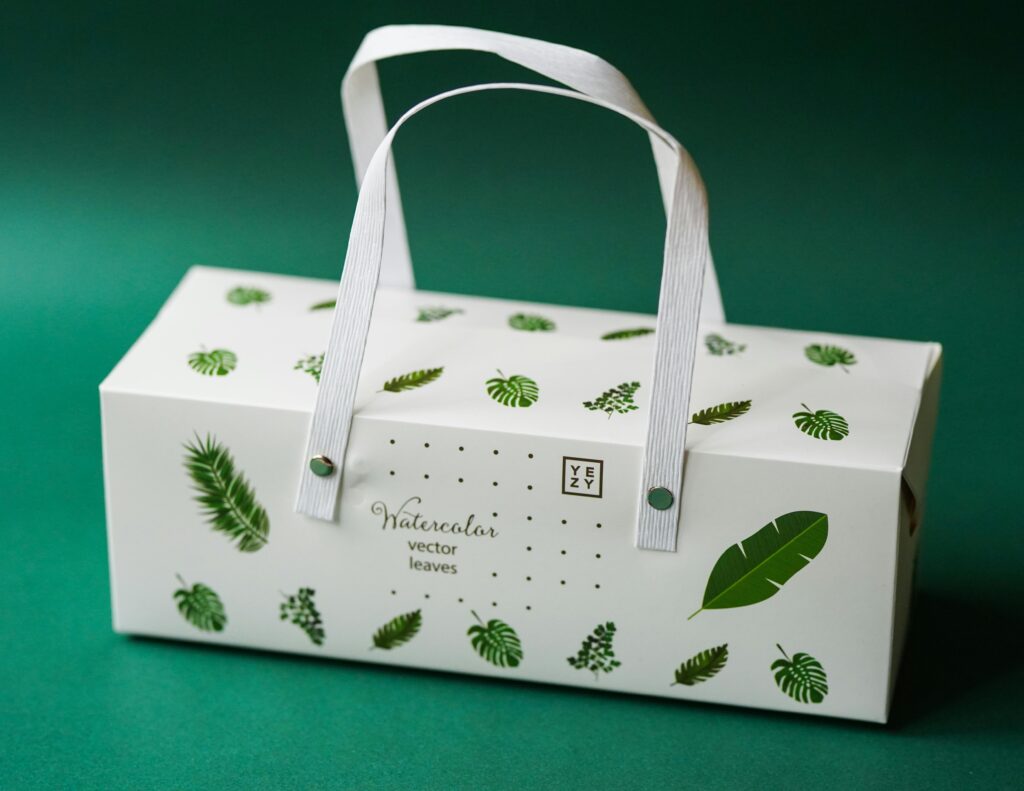
Photo by Cats Coming
Why Packaging Plays a Bigger Role Than Most Brands Realise
Packaging is often treated as a functional necessity rather than a branding opportunity. Its primary job is seen as protecting a product and delivering it safely. While that function is essential, it is only the baseline. Packaging is one of the most powerful tools for shaping brand perception because it sits at the intersection of design, experience, and expectation.
Before a customer uses a product, they experience the packaging. That experience influences how they judge quality, credibility, and value. In many cases, packaging sets expectations so strongly that it affects how the product itself is perceived. Well-designed packaging can elevate a simple product. Poor packaging can undermine even a high-quality offering.
Brand perception through packaging is formed instantly. Customers make subconscious judgments based on materials, weight, finishes, colour, and structure. These cues communicate whether a brand is premium, practical, innovative, or careless.
At https://corporate.kawaiilabs.com, packaging is approached as a strategic brand touchpoint rather than an afterthought. Every packaging decision contributes to how the brand is seen, remembered, and trusted.
Packaging as the First Physical Brand Interaction
For many customers, packaging is the first physical interaction they have with a brand. This is especially true in e-commerce, gifting, and promotional environments. That moment matters.
Packaging answers silent questions immediately:
Is this brand professional?
Is this product worth what I paid?
Does this brand pay attention to detail?
These questions are answered before the product is touched. If packaging feels cheap, rushed, or inconsistent, doubt creeps in. If packaging feels intentional and well-executed, confidence increases.
This is why unboxing experiences have become so influential. The act of opening packaging creates anticipation. When done well, it becomes memorable and shareable. When done poorly, it becomes forgettable or disappointing.
How Design Choices Shape Brand Perception
Design is the most visible driver of brand perception through packaging. Layout, typography, colour, and imagery all play specific roles.
Typography communicates tone. Clean, well-spaced type suggests clarity and confidence. Overcrowded or mismatched fonts suggest confusion. Colour sets emotional context. Muted palettes often feel premium or calm. Bold palettes feel energetic or youthful. Structure determines how the product feels in hand. Rigid boxes feel substantial. Flimsy packaging feels disposable.
White space is especially powerful in packaging. Restraint signals confidence. Brands that try to say everything at once often appear insecure. Brands that say just enough feel assured.
Consistency is critical. Packaging must align with other brand touchpoints such as print materials, uniforms, signage, and digital assets. Inconsistent packaging weakens recognition and trust.
Material Selection and Perceived Quality
Materials influence perception as much as design. Customers associate certain materials with quality, durability, and value.
Heavier packaging often feels more premium because weight signals substance. Textured materials add tactile interest and elevate experience. Matte finishes often feel refined, while gloss finishes feel bold or modern.
However, premium perception does not always mean expensive materials. It means appropriate materials. A brand positioned as sustainable may elevate perception through recycled or uncoated stock rather than glossy finishes. Authenticity matters more than cost.
Durability also affects perception. Packaging that arrives damaged or deformed reflects poorly on the brand, regardless of product quality. Protection and presentation must work together.
Packaging and Trust Building
Trust is a key component of brand perception. Packaging contributes to trust by signalling professionalism, care, and reliability.
Clear information builds confidence. Well-organised packaging with legible text reassures customers. Sloppy layouts or unclear messaging create doubt.
Attention to detail matters. Clean edges, accurate colour reproduction, and consistent branding show care. Mistakes suggest corners were cut elsewhere too.
Packaging also communicates scale and legitimacy. Brands with thoughtful packaging appear established, even if they are small. Brands with generic packaging appear temporary or uncommitted.
The Role of Packaging in Differentiation
In competitive markets, packaging is often the easiest way to stand out. Products may be similar. Pricing may be comparable. Packaging becomes the differentiator.
Distinctive packaging shapes memory. Customers remember how something looked and felt even if they forget specific features. This influences repeat purchases and word-of-mouth.
Packaging also supports positioning. A premium brand must look premium. A playful brand must feel playful. A corporate brand must feel credible. When packaging aligns with positioning, brand perception strengthens naturally.
At Kawaii Labs Corporate, packaging strategies are designed to differentiate intentionally, not accidentally.
Packaging Beyond the Point of Sale
Packaging continues to influence perception after purchase. It appears in homes, offices, and social media content. It may be reused, stored, or shared.
Branded packaging that is kept extends brand exposure. Boxes reused for storage or bags reused for transport keep the brand visible without additional marketing spend.
Packaging inserts, thank-you cards, or informational materials extend the experience further. These elements reinforce brand values and tone.
Common Packaging Mistakes That Damage Brand Perception
Several mistakes consistently undermine brand perception through packaging:
Overcrowding designs with information
Using inconsistent colours or logos
Choosing materials that do not match brand values
Ignoring durability and protection
Treating packaging as an afterthought
Each mistake sends signals that the brand is not intentional or aligned.
Sustainability and Modern Brand Perception
Sustainability increasingly influences brand perception. Customers notice packaging waste, material choices, and recyclability.
Sustainable packaging does not require sacrificing aesthetics. In many cases, it enhances perception by signalling responsibility and foresight.
However, sustainability must be genuine. Token gestures or misleading claims damage trust. Packaging choices should align with brand values and be communicated honestly.
Why Packaging Is a Long-Term Brand Asset
Packaging is not just a cost. It is a long-term brand asset. When designed strategically, it supports recognition, trust, and loyalty.
Strong packaging systems can be scaled, adapted, and reused across product lines without losing identity. This consistency strengthens brand equity over time.
At https://corporate.kawaiilabs.com, packaging is developed as part of a broader brand system, ensuring it elevates perception across every touchpoint.
Final Thoughts on Elevating Brand Perception Through Packaging
Packaging speaks before your brand does. It sets expectations, shapes emotion, and influences judgment in seconds.
Elevating brand perception through packaging requires intention, consistency, and understanding of how people interpret physical cues. It is not about trends or decoration. It is about alignment between promise and experience.
When packaging is designed strategically, it does more than protect a product. It builds trust, reinforces identity, and turns everyday interactions into brand moments that last.