Photo by Pexels
Why A/B Testing Is Not Just for Digital
A/B tests are often associated with websites, email campaigns, and online ads. However, the same principles apply to print. Printed materials influence behaviour, decision-making, and perception just as strongly as digital assets, sometimes more so because they exist in physical space.
A/B tests with printed materials allow brands to move beyond assumptions. Instead of guessing which design, message, or format works best, businesses can test variations and let real-world behaviour guide decisions. This approach reduces risk and improves return on print investment.
Print is often perceived as static and unmeasurable. In reality, modern print campaigns can be tested, tracked, and optimised with surprising precision. The key is designing tests intentionally rather than treating print as a one-off execution.
At Kawaii Labs Corporate, A/B tests are applied to print with the same discipline used in digital environments, adapted for physical interaction and longer response cycles.
What A/B Testing Means in a Print Context
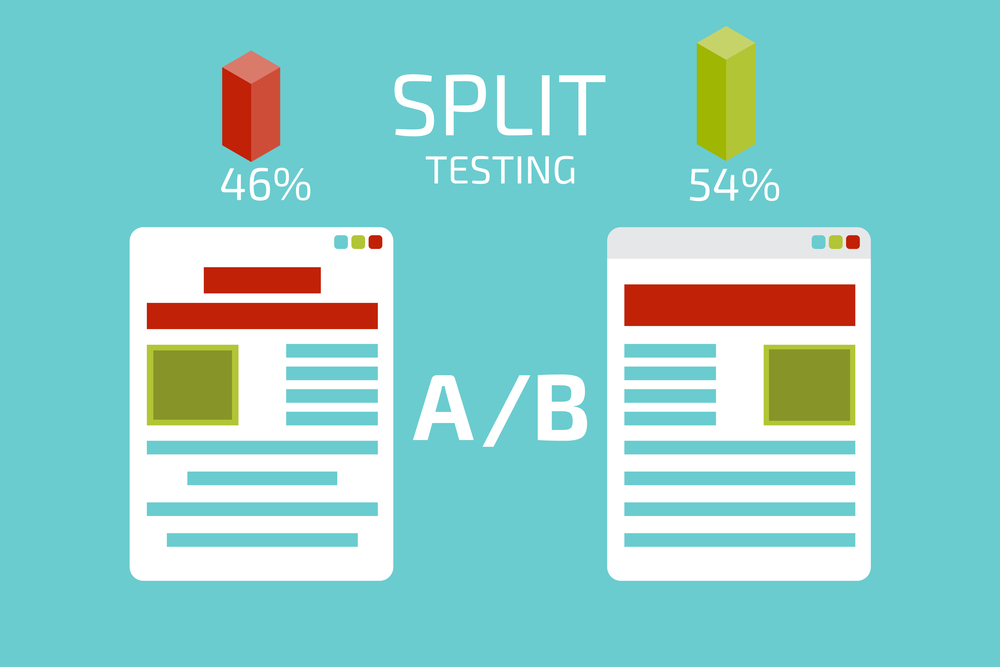
A/B tests with printed materials involves creating two or more versions of the same printed asset, changing only one variable at a time, and comparing performance based on a defined outcome.
The core principle remains the same as digital tests. You isolate a single change, distribute variations to similar audiences, and measure which version performs better.
In print, performance may be measured differently. Instead of clicks, success metrics might include response rates, redemptions, foot traffic, enquiries, or conversions tied to unique identifiers.
The goal is not perfection. The goal is learning. Even small improvements compound over time, especially in recurring print campaigns.
What You Can A/B Test in Printed Materials
Many elements of printed materials can be tested effectively. The key is choosing variables that influence behaviour rather than cosmetic details with no functional impact.
Headlines and Messaging
Different headlines can dramatically change how people respond. One version may focus on urgency, while another highlights value or trust. Testing headline tone often produces clear performance differences.
Calls to Action
Print CTAs can vary in wording, placement, or format. “Visit today” may perform differently from “Scan to book now.” Even subtle changes affect response behaviour.
Design and Layout
Layout influences how information is absorbed. Testing minimal layouts against more detailed designs can reveal how much information your audience actually wants.
Colour Usage
Colour affects attention and emotion. Testing different accent colours, button styles, or background tones can influence visibility and engagement.
Offers and Incentives
Discounts, bonuses, or limited-time messaging often benefit from testing. What motivates one audience may not motivate another.
Format and Size
A postcard versus a flyer, or a folded brochure versus a flat handout, can significantly impact interaction. Format testing helps optimise cost versus impact.
Each test should focus on one variable. Testing multiple changes at once makes results unreliable.
Designing a Print A/B Test Properly
Successful A/B tests with printed materials start with a clear hypothesis. You must define what you believe will perform better and why.
For example, you may hypothesise that a shorter headline will increase response rates because it is easier to scan. That hypothesis informs what you test and how you interpret results.
Audience consistency matters. Variations must be distributed to similar audiences under similar conditions. Tests with one version at a busy event and another at a quiet location will skew results.
Print quantities must be sufficient to produce meaningful data. Tests with too few samples leads to unreliable conclusions. While print tests are often smaller in scale than digital, it still requires planning.
Timing is also critical. Print responses may take longer than digital interactions. Tests should run long enough to capture meaningful behaviour rather than early reactions only.
Tracking and Measuring Print Test Results
One of the biggest misconceptions about print tests are that results cannot be tracked accurately. This is no longer true.
Unique QR codes allow precise tracking of responses to different versions. Custom URLs or landing pages can capture variation-specific traffic. Promo codes tied to specific designs make attribution clear.
Phone numbers, email addresses, or physical response cards can also be varied to track performance. Even foot traffic can be measured through event-specific distribution or location-based tests.
The key is consistency. Each version must have a unique identifier tied directly to the tested variable. Without this, attribution becomes guesswork.
At Kawaii Labs Corporate, tracking methods are integrated into print design from the start, ensuring performance data is available after distribution.
Interpreting Results and Applying Learnings
Print A/B testing results should be interpreted carefully. Small differences may not be statistically meaningful. Larger trends across multiple tests carry more weight.
The most valuable outcome of A/B testing is insight, not just winners. Understanding why one version performed better informs future campaigns beyond the tested asset.
Results should be documented. Over time, patterns emerge. You may learn that your audience responds better to direct language, minimalist design, or specific offers. These insights improve all future print decisions.
Testing also reduces internal debate. Decisions become evidence-based rather than opinion-driven, which improves efficiency and alignment.
Common Mistakes in Print A/B Testing
Several mistakes undermine print testing efforts:
Changing too many variables at once
Using inconsistent audiences or locations
Failing to track responses properly
Stopping tests too early
Ignoring learnings after the test
Avoiding these mistakes ensures testing delivers real value rather than confusion.
When A/B Testing Makes the Most Sense for Print
A/B testing with printed materials is especially valuable when print is repeated regularly. Examples include direct mail campaigns, event handouts, in-store signage, packaging inserts, or recurring promotions.
For one-off, high-risk prints, tests may not be practical. However, even small pilot tests can reduce risk before full-scale production.
Print tests are most powerful when it becomes part of an ongoing optimisation process rather than a single experiment.
Why A/B Testing Improves Print ROI
Print represents a tangible investment. Testing ensures that investment works harder over time. Even modest improvements in response rates can significantly increase ROI across repeated campaigns.
A/B testing with printed materials transforms print from a static output into a learning system. It allows brands to evolve messaging, design, and strategy based on real behaviour rather than assumptions.
Final Thoughts on A/B Testing with Printed Materials
A/B testing is not exclusive to digital marketing. Print can be tested, measured, and optimised with the right approach.
By applying structured testing to printed materials, brands reduce risk, improve performance, and gain insights that extend beyond a single campaign.
A/B testing with printed materials shifts print from guesswork to strategy. When learning is built into execution, print becomes not just visible, but effective.