Photo by Msazavsky
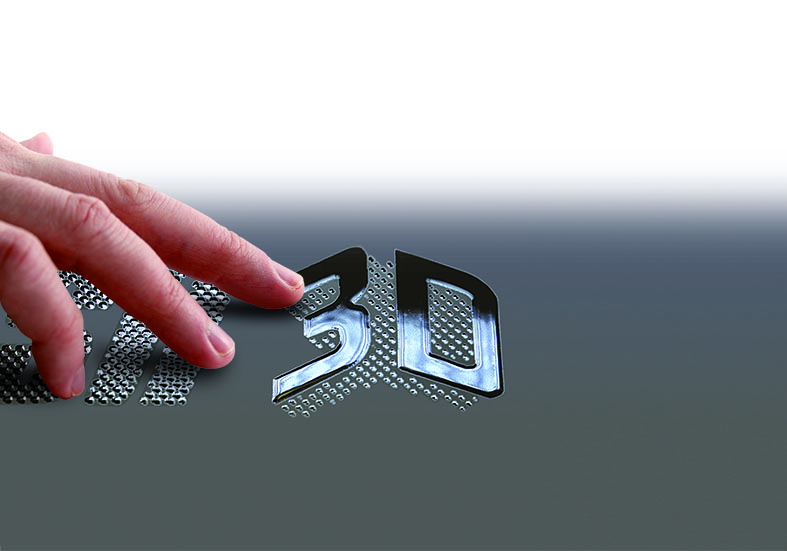
Spot UV is a print finishing technique used to apply a high-gloss coating to specific areas of a printed piece. Unlike full varnishes that cover the entire surface, Spot UV is applied selectively. This contrast between glossy and matte surfaces creates visual emphasis and tactile interest. When used with intention, Spot UV elevates print from flat to dimensional.
At its core, UV works through contrast. Light reflects differently on gloss-coated areas compared to uncoated or matte surfaces. This makes selected elements stand out without adding colour or changing layout. Logos, headings, patterns, or icons gain presence simply through finish. UV adds emphasis without noise.
The process involves printing a base layer first, usually with a matte or silk laminate. A clear UV coating is then applied only where required and cured instantly using ultraviolet light. This rapid curing creates a raised, glossy finish that sits on top of the printed surface. UV is not absorbed into the paper. It remains tactile.
One of the strongest advantages of UV is restraint. It allows designers to highlight elements without relying on bright colours or oversized typography. In brand systems where minimalism matters, UV adds depth while preserving simplicity.
Spot UV is often associated with premium print, but it is not limited to luxury brands. Its effectiveness depends on context and execution. When applied to the right elements, it improves clarity and perceived value. When overused, it becomes distracting.
Material choice matters significantly. UV performs best on smooth, coated stocks with a matte or soft-touch laminate. These surfaces maximise contrast. On uncoated or textured papers, the effect weakens or becomes inconsistent. Understanding substrate behaviour is critical.
Design preparation requires precision. UV elements must be supplied as a separate layer, usually as a vector mask. This ensures accurate placement and clean edges. Poor preparation leads to misalignment, which is immediately noticeable due to the reflective nature of the finish.
Typography choices influence results. Thin lines and small text can fill in or lose clarity under UV. Bold shapes, icons, and solid areas perform better. UV works best when it enhances form rather than fine detail.
Tactile experience is part of its impact. When someone runs their fingers over a Spot UV element, the raised surface reinforces memory. This physical interaction strengthens perception of quality. Spot UV engages both sight and touch.
Durability should be considered. UV is robust for normal handling, but heavy abrasion can dull the gloss over time. For items handled frequently, such as business cards or packaging, this wear should be anticipated. Spot UV is best used where contact is intentional rather than constant.
Lighting conditions affect performance. UV relies on reflection. In low light, the effect is subtle. In well-lit environments, contrast becomes pronounced. Designers should consider where and how the printed piece will be viewed.
Cost is higher than standard printing, but UV often replaces more expensive alternatives. Instead of using specialty papers or additional colours, UV achieves impact through finish alone. Evaluated against perceived value rather than unit cost, it often delivers strong return.
Spot UV should never compensate for weak design. It amplifies what is already there. Strong layout and hierarchy come first. UV then enhances, not rescues.
When Spot UV Adds Real Value
Spot UV is most effective when it serves a clear purpose. Business cards benefit when logos or names are highlighted subtly. This improves recall without overwhelming the design. A matte card with Spot UV logo feels intentional and confident.
Packaging applications use UV to draw attention to brand marks or key messages. When paired with restrained colour palettes, UV adds premium cues without increasing print complexity. It works particularly well on rigid boxes and sleeves.
Brochures and folders benefit when UV guides the eye. Headings, patterns, or cover elements can be emphasised without altering internal layouts. This maintains consistency while adding distinction.
Invitations and event materials often use UV to elevate importance. Selective gloss signals formality and care. Used sparingly, it sets tone before content is read.
UV is also effective for internal brand materials where professionalism matters. Presentation folders, reports, and handbooks gain authority through finish without becoming flashy.
There are times when UV should be avoided. Content-heavy pieces suffer when too many elements compete for attention. Overuse creates glare and visual fatigue. Spot UV loses impact when everything shines.
Highly textured papers reduce clarity. If tactile paper is already doing the work, adding Spot UV can feel redundant. Similarly, designs with very fine detail risk poor reproduction.
Outdoor or low-light applications rarely benefit. Without controlled lighting, the effect is lost. Spot UV is best suited to close-view, controlled environments.
Production timelines matter. Spot UV adds a finishing step. Tight deadlines may require simpler solutions. Planning ensures finish enhances rather than delays delivery.
Consistency across brand systems should guide decisions. If Spot UV appears randomly across materials, coherence suffers. When integrated into guidelines, it strengthens identity.
Testing is essential. Proofing reveals alignment, thickness, and edge behaviour. Spot UV mistakes are difficult to hide after production. Early validation prevents costly reprints.
Working with experienced print partners improves outcomes significantly. Guidance on substrates, artwork preparation, and application ensures Spot UV performs as intended. Collaboration with Kawaii Labs Corporate supports this process by aligning finish choices with brand intent, print quality, and practical use.
Ultimately, Spot UV is a tool, not a decoration. Its power lies in contrast, restraint, and clarity.
When used intentionally, Spot UV adds depth without distraction. It communicates confidence through detail rather than excess.
Knowing when to use Spot UV is as important as knowing what it is. Applied with purpose, it elevates print and reinforces brand perception quietly and effectively.