
Photo by Pexels
Label costs add up quickly, especially for growing brands managing multiple products, variants, or seasonal changes. Redesigns, small print runs, and frequent updates drain both time and budget. Multi-use label design addresses this problem by creating flexible label systems that work across multiple applications without sacrificing brand clarity or compliance.
At its core, multi-use label design is about intention. Instead of designing a label for a single, fixed use, brands design frameworks that adapt. This approach reduces the need for constant reprints while maintaining a consistent brand presence across product lines.
Multi-Use Label Designs That Work Across Products
One of the most effective strategies is separating static and variable information. Core brand elements such as logo, colour palette, typography, and layout remain fixed. Variable elements such as flavour, scent, size, or batch information are introduced through secondary means. This could include small over-labels, stamps, or variable data printing. By isolating what changes from what stays the same, brands minimise redesign costs.
Neutral base labels are another powerful tool. A well-designed base label can support multiple SKUs by avoiding overly specific language. For example, instead of naming a single variant prominently, the label focuses on the product category and brand story. Variant details are then added through small, interchangeable elements. This allows brands to order larger quantities of the base label, reducing unit costs.
Multi-panel or wrap-around labels also support multi-use design. These formats provide more space for required information without overcrowding the main visual area. By allocating sections for regulatory content, storytelling, and variable details, brands gain flexibility. When changes are needed, only specific sections are updated rather than the entire label.
Typography plays a critical role in adaptability. Clear typographic hierarchy allows information to be added or removed without disrupting balance. Labels designed with rigid layouts struggle to accommodate changes. Flexible grid systems make multi-use label design more resilient as products evolve.
Colour systems can also be leveraged to reduce variation. Instead of creating entirely new designs for each product, brands can use colour coding within a consistent structure. A single label design may support multiple variants simply by changing accent colours. This maintains visual cohesion while signalling difference clearly.
Material choice affects budget efficiency as well. Selecting a durable label material that performs across environments reduces the need for multiple label types. A single high-quality stock used consistently may cost more upfront but saves money by simplifying inventory and reducing waste from mismatched materials.
Finish restraint is another cost-saving factor. Specialty finishes can be effective but limit flexibility. Multi-use label design benefits from finishes that remain appropriate across contexts. Matte or standard gloss finishes often perform well across product categories and campaigns without requiring variation.
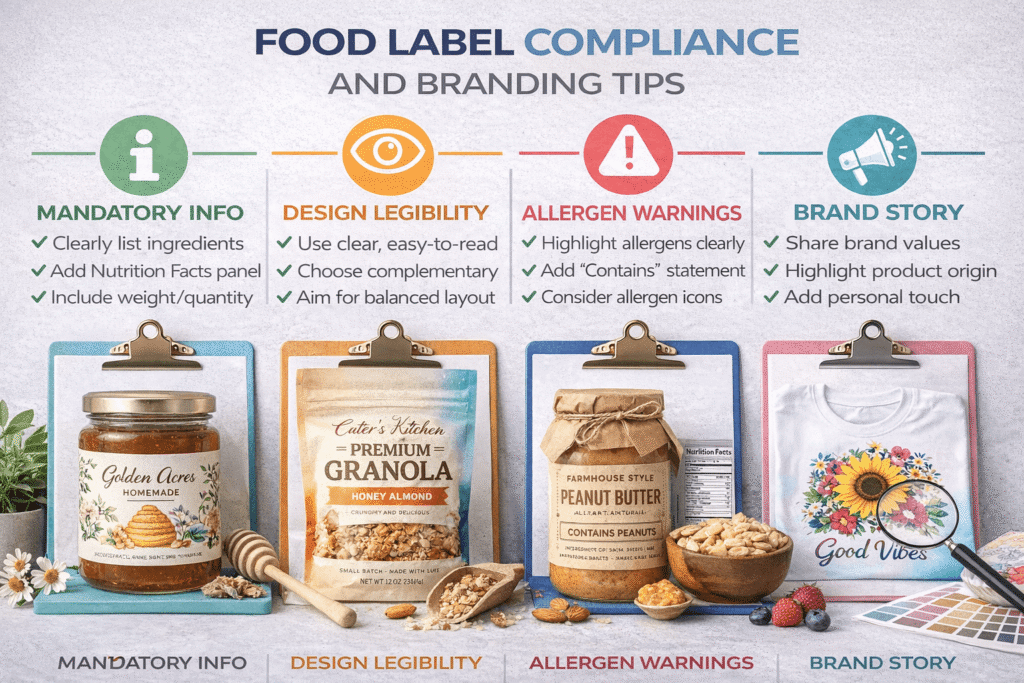
Regulatory compliance must be considered carefully. Multi-use labels should be designed to accommodate all required information across intended products. Leaving space for variable regulatory content prevents costly reprints when formulations or requirements change. Compliance flexibility is a major cost-saving advantage when handled correctly.
Small brands benefit particularly from multi-use label systems. Early-stage products often change frequently as formulations are refined or markets tested. Multi-use label design allows brands to adapt without discarding large quantities of printed stock. This protects cash flow while maintaining professional presentation.
Seasonal and promotional campaigns also benefit from this approach. Instead of producing entirely new labels, brands can introduce temporary elements through sleeves, stickers, or inserts. The core label remains unchanged, preserving consistency while allowing timely updates. This reduces lead times and production costs.
Inventory management improves with multi-use labels. Fewer unique label SKUs mean simpler storage and less risk of obsolete stock. This operational efficiency often delivers savings beyond printing costs alone. Simplified inventory also reduces errors during packing and application.
Consistency is another hidden benefit. Repeated redesigns introduce variation that weakens brand recognition. Multi-use label design reinforces familiarity by keeping visual elements stable. Over time, this consistency strengthens trust and recall, which has long-term value beyond immediate cost savings.
Quality control becomes easier as well. When the same label is used across multiple products, print quality and application processes are standardised. Fewer variations reduce the chance of errors and rework. This further protects budget and brand reputation.
Strategic planning is essential for success. Multi-use labels require upfront thinking. Brands must anticipate potential growth, variation, and change. While this requires more effort initially, it prevents repeated costs later. Designing once and using many times is almost always more economical than constant redesign.
Working with experienced print and branding partners helps identify where flexibility can be built in without compromising clarity. Practical guidance ensures that multi-use label design aligns with real production constraints and regulatory requirements. Collaboration with Kawaii Labs Corporate supports this approach by balancing brand intent, print efficiency, and long-term scalability.
Testing remains important. Applying multi-use labels across all intended packaging formats reveals limitations early. Adjustments made during testing prevent larger issues once production scales. Testing protects both budget and brand credibility.
Ultimately, multi-use label design is about control. It allows brands to manage change without constant reinvestment. By designing adaptable systems instead of fixed solutions, brands reduce waste, simplify operations, and maintain consistent presentation.
For brands looking to grow responsibly, multi-use labels are not a compromise. They are a strategic advantage. When designed thoughtfully, they save budget while strengthening brand consistency and operational efficiency over time.