Photo by InkTankPrinters
Sublimation printing for full-colour branding is one of the most effective ways to achieve vibrant, durable visuals without the limitations of traditional print methods. Unlike surface-level printing, sublimation embeds colour directly into the substrate. This changes not only how products look, but how long they remain effective as brand assets.
For brands focused on consistency, longevity, and visual impact, sublimation offers clear advantages. It allows full-colour designs, gradients, and photographic detail to be reproduced without cracking, peeling, or fading under normal use. When used strategically, sublimation printing for full-colour branding supports long-term visibility rather than short-term promotion.
The process works by transferring dye into specially coated or polyester-based substrates using heat and pressure. Instead of sitting on top of the surface, the ink becomes part of the material itself. This distinction is critical. It is why sublimated products feel smooth to the touch and retain clarity over time.
Why Sublimation Printing Is Ideal for Full-Colour Branding
One of the biggest strengths of sublimation printing for full-colour branding is design freedom. There are no colour limits. Logos, patterns, illustrations, and photographic imagery can be reproduced accurately in a single pass. This makes sublimation particularly valuable for brands with complex visual systems or colour-heavy identities.
Product selection is the first strategic decision. Sublimation works best on polyester fabrics and coated hard surfaces such as mugs, metal panels, mouse pads, and certain plastics. Choosing the right product category ensures the branding method aligns with both design intent and usage context.
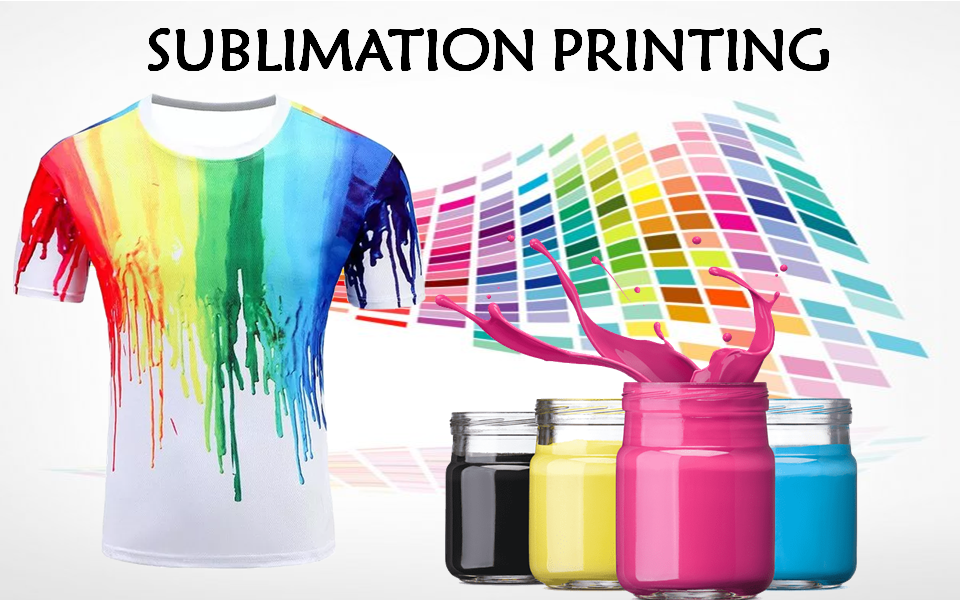
Apparel is a common application, but not all garments are suitable. Sublimation requires high polyester content and light-coloured fabrics for accurate colour reproduction. On suitable apparel, sublimation printing for full-colour branding enables all-over designs that avoid heavy ink buildup and preserve breathability.
Hard goods offer equally strong opportunities. Drinkware, desk accessories, signage, and promotional items benefit from sublimation’s durability. Products that are handled daily maintain their appearance, extending brand exposure naturally through use.
Design preparation plays a major role in outcomes. Sublimation requires artwork to be created in RGB colour mode, as colours are converted during the transfer process. Colours may appear different on screen than on finished products. Testing and colour profiling are essential steps in sublimation printing for full-colour branding.
White space behaves differently as well. Because sublimation does not print white ink, the base colour of the substrate shows through. Designs must account for this by using the product colour intentionally. Ignoring this limitation leads to unexpected results.
Full-coverage design is where sublimation excels. Patterns, textures, and edge-to-edge artwork can be applied without additional cost or complexity. This avoids the “logo slapped on” look common in promotional merchandise. Sublimation printing for full-colour branding supports more integrated, lifestyle-oriented visuals.
Consistency across batches is another advantage. Digital sublimation workflows allow reliable reproduction when files, substrates, and processes remain controlled. This makes sublimation suitable for repeat orders and ongoing campaigns.
However, sublimation is not universally appropriate. It does not work on cotton without special treatments. Dark substrates limit colour accuracy. Metallic finishes and certain plastics are incompatible. Sublimation printing for full-colour branding requires matching method to material rather than forcing application.
Pricing should be evaluated based on lifespan rather than unit cost. Sublimated products often cost more upfront than basic print alternatives, but they last significantly longer. For brands focused on retention and visibility, this longevity improves overall return.
Sublimation also supports scalability. Short runs and variable designs are feasible without expensive setup. This makes it suitable for seasonal campaigns, limited editions, or targeted branding initiatives.
Internal branding benefits as well. Sublimated items used by staff reinforce brand identity consistently. Apparel, desk items, and internal signage often appear in client-facing contexts such as meetings or video calls, extending visibility organically.
Sustainability considerations align with sublimation when products are chosen carefully. Durable items reduce replacement frequency. Long-lasting branding reduces waste compared to disposable alternatives. Sublimation printing for full-colour branding supports responsible production when paired with intentional product selection.
Quality control is essential. Heat, pressure, and timing affect results. Inconsistent processes lead to colour shifts or ghosting. Working with experienced production partners reduces these risks.
Testing should never be skipped. Physical samples reveal how colours translate, how products feel, and how designs interact with form. Early testing protects margins and brand credibility.
Working with experienced branding and print partners improves outcomes significantly. Sublimation requires both creative understanding and technical precision. Collaboration with Kawaii Labs Corporate supports this process by aligning sublimation printing for full-colour branding with product selection, colour accuracy, and scalable production.
Ultimately, sublimation is not just a print method. It is a branding tool.
When used thoughtfully, sublimation printing for full-colour branding allows brands to create products that feel intentional, professional, and durable. These products do not shout for attention. They earn it through quality and continued use.
For brands that value consistency, flexibility, and long-term visibility, sublimation offers a practical way to translate visual identity into products that continue working long after production is complete.