
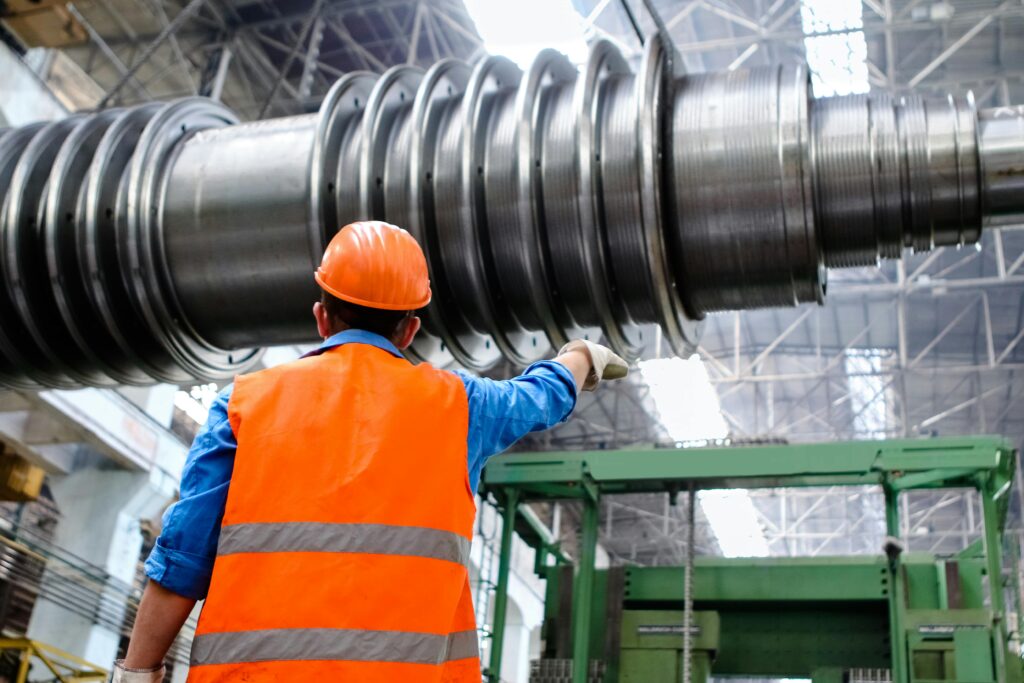
Photo by Kateryna Babaieva
Why Hi-Vis Apparel Is No Longer Just About Compliance
High-visibility safety wear has traditionally been treated as purely functional. The priority has been compliance, visibility, and durability, often at the expense of appearance or brand alignment. However, this mindset is changing.
Modern businesses recognise that every touchpoint, including safety wear, contributes to brand perception. Staff wearing hi-vis gear are often the most visible representatives of a business, especially in construction, logistics, manufacturing, events, and public-facing services.
Branded hi-vis safety wear bridges two critical needs. It protects workers and reinforces brand professionalism. When done correctly, safety apparel can meet regulatory requirements without looking generic or disconnected from the rest of the brand.
At Kawaii Labs Corporate, hi-vis branding is approached as a balance between compliance, durability, and visual identity.
The Branding Opportunity in Safety Wear
Hi-vis clothing is worn in highly visible environments. Roadsides, sites, warehouses, public spaces, and events all place safety apparel directly in view of customers, partners, and the general public.
This visibility turns safety wear into a branding opportunity rather than a necessary inconvenience. When safety apparel is branded consistently and professionally, it communicates reliability, organisation, and care.
Unbranded or poorly branded hi-vis clothing sends a different message. It can make teams look temporary, outsourced, or disorganised. Even when work quality is high, perception suffers.
Branded hi-vis safety wear helps businesses appear established and accountable, especially in industries where trust and safety are closely linked.
Understanding Compliance Before Design
Before branding is applied, compliance must be understood. Hi-vis safety wear is governed by visibility standards that dictate colour, reflective placement, and performance requirements.
Branding should never interfere with these standards. Logos must not obscure reflective tape or reduce visibility zones. Colours must remain within compliant palettes.
Good design works within these constraints rather than fighting them. Branding is added strategically, not aggressively.
Professional print partners understand these limitations and design accordingly. This ensures safety is never compromised for aesthetics.
Choosing the Right Hi-Vis Garment Types
Different roles require different hi-vis garments. Choosing the correct base product is as important as the branding itself.
Common hi-vis garments include:
- Vests and waistcoats
- Jackets and parkas
- T-shirts and polos
- Hoodies and sweatshirts
- Coveralls and overalls
Each garment has different branding potential. Lightweight vests offer limited space but high visibility. Jackets and hoodies allow larger branding areas while remaining compliant.
Garment choice should reflect working conditions, climate, and frequency of use. Comfort affects compliance. Workers are more likely to wear safety gear correctly when it fits well and feels comfortable.
Branding Placement That Works in the Real World
Placement is critical in branded hi-vis safety wear. The goal is visibility without clutter.
Effective placements include:
- Left or right chest logos
- Upper back branding above or below reflective tape
- Sleeve or shoulder branding where permitted
Back branding is often the most visible in site environments, especially when workers are moving away from observers. Front branding supports identification during interaction.
Logos should be scaled appropriately. Oversized branding can overwhelm the garment and distract from safety elements. Smaller, well-placed branding often looks more professional and lasts longer visually.
Colour, Contrast, and Brand Consistency
Hi-vis colours are non-negotiable, but branding colours can still be applied thoughtfully. Contrast matters.
Logos should stand out clearly against hi-vis backgrounds without clashing. In many cases, monochrome or simplified logo versions perform better on safety wear than full-colour versions.
Consistency across safety wear and other branded apparel matters. While hi-vis garments differ visually, they should still feel like part of the same brand family.
This may involve:
- Using consistent logo placement
- Applying the same logo variations across garments
- Aligning typography where text is used
Consistency reinforces recognition even when garment colours differ.
Print Methods That Withstand Harsh Conditions
Hi-vis safety wear is exposed to tough environments. Sun, dust, washing, abrasion, and weather all affect longevity.
Branding methods must be chosen accordingly. Durability is essential.
Common methods include:
- High-quality screen printing
- Heat-applied vinyl rated for safety wear
- Reflective print integration where allowed
Embroidery is sometimes used but must be applied carefully to avoid compromising garment performance or comfort.
Low-quality printing fades quickly and undermines professionalism. Durable branding maintains credibility over time.
At Kawaii Labs Corporate, branding methods are selected based on garment use, wash frequency, and environment.
Hi-Vis Wear as Part of a Uniform System
Branded hi-vis safety wear works best when integrated into a broader uniform system. It should not feel like a separate category.
When safety apparel aligns visually with standard uniforms, staff look cohesive across environments. This is especially important for teams that move between sites, vehicles, and client-facing spaces.
Uniform systems that include both hi-vis and non-hi-vis options allow teams to remain on-brand in all situations without compromising safety.
Staff Perception and Pride
How staff feel about what they wear matters. Hi-vis gear that feels considered and well-designed improves morale.
Workers are more likely to respect and care for branded safety wear that looks professional. This increases lifespan and compliance.
Branded hi-vis safety wear also reinforces belonging. It reminds teams that they are part of a recognised, organised business rather than just wearing mandatory gear.
Avoiding Common Hi-Vis Branding Mistakes
Several mistakes reduce the effectiveness of branded safety wear:
- Placing logos over reflective tape
- Using colours with insufficient contrast
- Over-branding with excessive text
- Choosing poor-quality garments
- Ignoring wash durability
These mistakes affect both safety and brand perception.
Measuring the Impact of Branded Safety Wear
Success is not measured by how many garments are issued. It is measured by:
- Consistent correct wear by staff
- Professional appearance in public spaces
- Brand recognition on sites and vehicles
- Staff feedback and pride
When safety wear is worn properly and confidently, branding is working.
Why Branded Hi-Vis Safety Wear Is a Smart Investment
Branded hi-vis safety wear serves multiple purposes simultaneously. It protects staff, promotes the brand, and signals professionalism.
Because safety wear is worn frequently and in public, it delivers high visibility over time. This creates strong cost-per-impression value compared to many marketing channels.
More importantly, it aligns safety with brand care. That alignment builds trust.
Final Thoughts on Hi-Vis Safety Wear With Branded Style
Hi-vis safety wear does not have to look generic or disconnected from your brand. With thoughtful design, correct placement, and durable production, it can reinforce professionalism while meeting strict safety requirements.
Branded hi-vis safety wear works best when safety leads and branding follows intelligently. When both priorities are respected, the result is apparel that protects people and represents the brand with confidence.
When your most visible team members look professional, compliant, and cohesive, your brand earns trust before a word is spoken.