
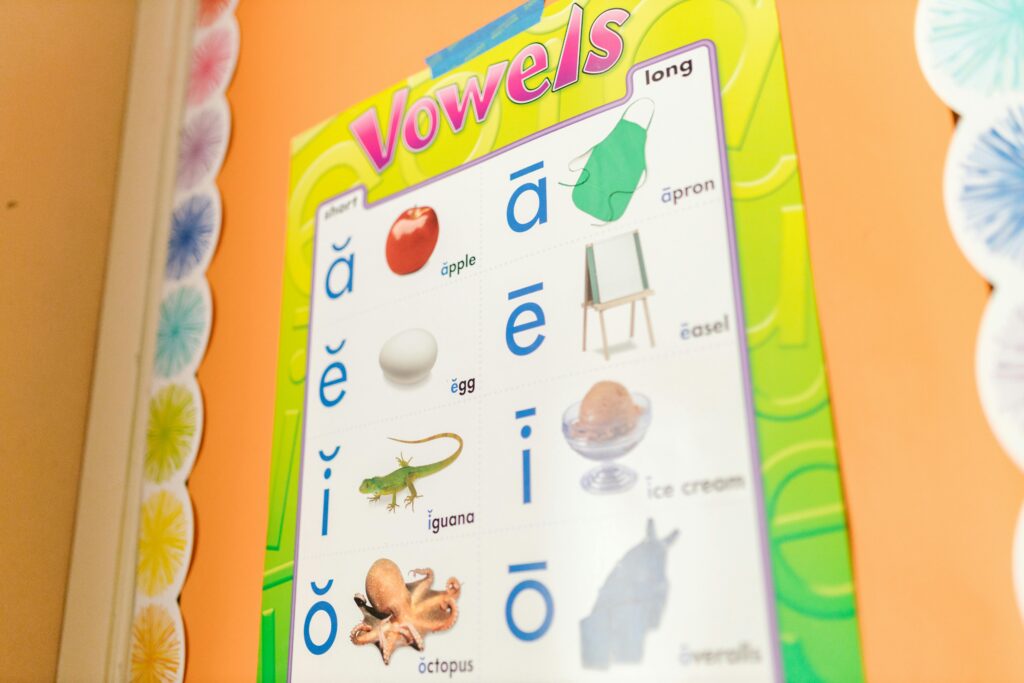
Photo by RDNE Stock project
Why Print Still Matters in Education
Educational institutions operate on trust, structure, and communication. Whether it is a school, college, university, training centre, or private academy, the way information is presented directly affects how the institution is perceived by students, parents, staff, and stakeholders.
Print remains one of the most reliable communication tools in education. While digital platforms are essential, they are not always accessible, remembered, or trusted in the same way physical materials are. Printed items provide permanence, reduce confusion, and support learning environments where clarity matters.
Branded print for educational institutions is not about marketing in a commercial sense. It is about reinforcing credibility, consistency, and care. When print materials are well-designed and aligned, they contribute to a calm, organised environment that supports learning.
At Kawaii Labs Corporate, educational print is designed to support structure first and branding second, ensuring usefulness always leads.
The Role of Branding in Educational Print
Branding in education is often misunderstood. It is not about logos everywhere. It is about recognition, consistency, and belonging.
Strong branding helps educational institutions:
- Establish credibility
- Build trust with parents and students
- Create a sense of identity and pride
- Maintain consistency across departments
When branding is inconsistent or absent, institutions can feel fragmented. Students may struggle to identify official materials. Parents may feel uncertain about communication sources.
Branded print provides reassurance. It signals that information is official, considered, and reliable.
Core Print Materials for Educational Institutions
Different educational environments require different print materials. However, certain categories consistently deliver value.
Admissions and Information Materials
Brochures, prospectuses, and information packs are often the first physical interaction prospective students or parents have with an institution.
These materials should communicate:
- Who the institution is
- What it offers
- What it stands for
Clarity is essential. Overly dense layouts overwhelm readers. Clean structure and clear messaging improve understanding and decision-making.
Admissions print sets expectations. It should feel professional, welcoming, and honest.
Student-Facing Print
Student-facing materials include timetables, handbooks, guides, worksheets, and certificates.
These items support learning and organisation. Clear print reduces anxiety and confusion, especially for new students.
Consistency across student materials improves usability. When layouts and visual language are familiar, students focus on content rather than navigation.
Printed materials also support offline learning, which remains essential in many educational settings.
Campus and Facility Signage
Signage is one of the most overlooked but impactful forms of branded print in education.
Directional signage, room labels, safety notices, and information boards shape how people move through and experience a space. Poor signage causes frustration. Good signage creates confidence.
Educational signage should be:
- Easy to read at a distance
- Consistent in style
- Calm in tone
Branding should be present but subtle. The goal is clarity, not promotion.
Staff and Administrative Print
Internal print materials support staff efficiency and consistency. These include policy documents, training materials, reference guides, and internal notices.
Well-designed internal print reduces errors and miscommunication. It also reinforces professional culture.
When staff use standardised, branded materials, the institution operates more smoothly and confidently.
Print as a Tool for Community and Belonging
Educational institutions are communities. Print plays a role in building that sense of belonging.
Certificates, awards, programmes, and event materials mark milestones and achievements. They provide tangible recognition that digital alternatives often fail to replicate.
Printed items become keepsakes. They carry emotional value and reinforce positive association with the institution.
Branded print helps students and staff feel part of something structured and meaningful.
Branding Without Commercialisation
Educational print must strike a careful balance. Overly commercial branding feels inappropriate in learning environments.
Effective educational branding is restrained. Logos, colours, and typography should support recognition without dominating content.
The focus should remain on information, guidance, and learning support. Branding exists to reassure, not to sell.
At Kawaii Labs Corporate, educational print branding is designed to feel institutional, calm, and trustworthy rather than promotional.
Accessibility and Inclusivity in Educational Print
Accessibility is critical in education. Print materials must be usable by diverse audiences.
This includes:
- Legible font sizes
- High colour contrast
- Clear language
- Logical structure
Accessibility improves learning outcomes. When materials are easy to read and understand, students engage more confidently.
Print should also consider multilingual environments where relevant, especially in community-based institutions.
Print Supporting Compliance and Accountability
Educational institutions operate under regulatory and policy frameworks. Print supports compliance by providing clear, consistent documentation.
Policies, codes of conduct, consent forms, and safety information must be communicated clearly. Poor print design increases risk by reducing understanding.
Branded, standardised documents reinforce accountability and professionalism.
Avoiding Common Educational Print Mistakes
Several mistakes reduce the effectiveness of branded print for educational institutions:
- Inconsistent branding across departments
- Overcrowded layouts
- Small or unreadable text
- Low-quality printing
- Treating print as disposable
These issues undermine trust and usability.
Print materials should be reviewed periodically to ensure accuracy and relevance.
The Long-Term Value of Quality Educational Print
Educational print is often used repeatedly. Investing in quality design and production reduces long-term costs and improves consistency.
Durable materials, timeless layouts, and clear branding extend lifespan and usability.
Quality print supports institutional memory and continuity.
Print in a Digital-First Education World
Digital tools are essential, but print remains a stabilising force. It works without logins, batteries, or connectivity. It is inclusive and reliable.
Print complements digital systems by anchoring information in the physical environment.
Educational institutions that integrate print and digital thoughtfully deliver stronger experiences.
Why Branded Print Strengthens Educational Institutions
Branded print reinforces trust, structure, and identity. It supports learning, reduces confusion, and builds community.
When print is intentional, it reflects institutional care and professionalism.
For educational institutions, print is not optional. It is foundational.
Final Thoughts on Branded Print for Educational Institutions
Branded print for educational institutions is about clarity, consistency, and confidence. It supports communication at every level, from admissions to graduation.
When print materials are well-designed and aligned, they create calmer environments, stronger trust, and better learning experiences.
Print does not replace digital tools. It strengthens them.
For institutions committed to credibility, structure, and student support, branded print remains one of the most effective tools available.