Photo by Pavel Danilyuk
Why Print Still Plays a Critical Role in Healthcare
Medical practices operate in an environment where trust, clarity, and professionalism are non-negotiable. Patients may forget a social post or skim a website, but they notice what is placed in their hands and around them during an appointment. Print materials shape how a practice is perceived long before a consultation begins.
Print offers stability in a high-stress environment. In waiting rooms, reception areas, and consultation spaces, clear printed information reduces uncertainty and anxiety. Patients rely on printed materials to understand processes, policies, and next steps without needing to ask sensitive questions repeatedly.
Medical practice print materials are not promotional in the traditional sense. They are functional trust signals. When done well, they reassure patients that the practice is organised, professional, and attentive to detail.
At Kawaii Labs Corporate, healthcare print is approached as a patient-experience tool first and a branding tool second.
The Role of Print in Patient Trust
Trust is foundational in healthcare. Patients need to feel confident not only in medical expertise but also in how information is handled and communicated.
Print supports trust by providing:
- Clear, consistent information
- Visual reassurance of professionalism
- Predictable processes
- Transparency
Disorganised or outdated printed materials create doubt. If signage is unclear or forms feel improvised, patients may question the practice’s attention to detail elsewhere.
High-quality, consistent print materials communicate competence without saying a word.
Essential Print Materials for Medical Practices
Not all print materials serve the same purpose. The most effective practices prioritise clarity, usefulness, and consistency rather than volume.
Patient Intake Forms
Patient intake forms are often the first interaction patients have with a practice. These forms should be easy to read, logically structured, and professionally produced.
Well-designed forms reduce errors and speed up administrative processes. Clear spacing, readable typography, and intuitive layouts improve completion rates and accuracy.
Forms should feel calm and organised, not overwhelming.
Appointment Cards and Follow-Up Slips
Printed appointment cards remain valuable despite digital reminders. They provide a tangible reference patients can keep visible.
Follow-up slips outlining next steps, prescriptions, or referrals reduce confusion and improve compliance. These materials are especially helpful for elderly patients or those managing multiple appointments.
Simple, legible print is essential.
Informational Brochures and Patient Guides
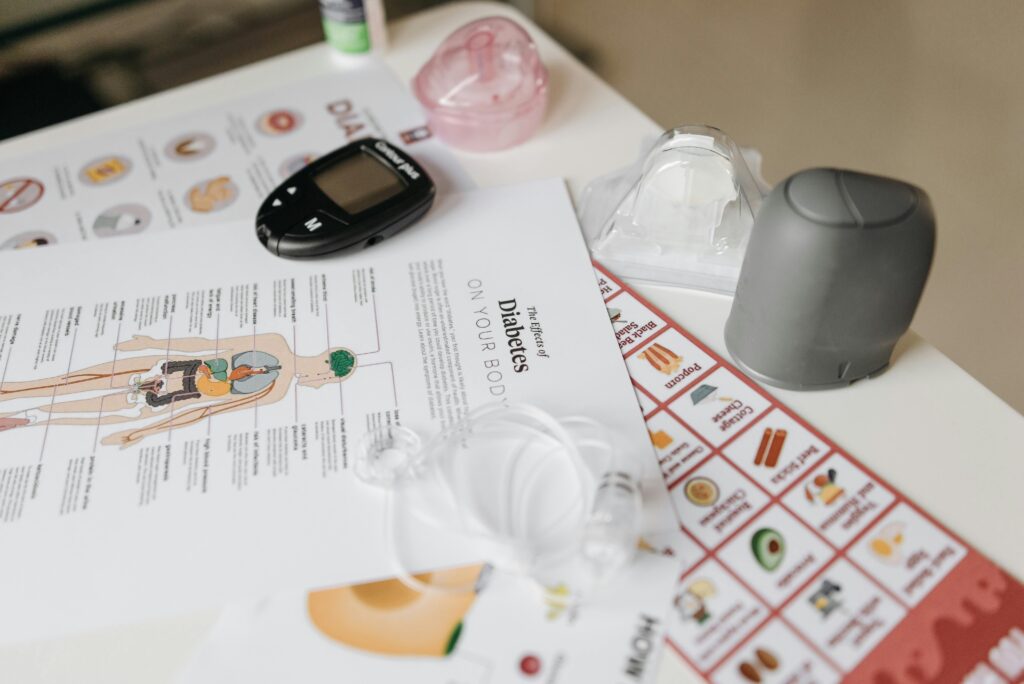
Brochures and guides help educate patients about services, procedures, and preventative care. They allow patients to absorb information at their own pace, outside the pressure of consultation time.
Effective medical brochures avoid jargon and prioritise clarity. Visual aids, diagrams, and structured sections improve understanding.
Educational print positions the practice as proactive and patient-focused rather than transactional.
Waiting Room Signage
Waiting room signage sets expectations. It communicates policies, hygiene guidelines, billing processes, and behavioural expectations.
Clear signage reduces tension by answering common questions before they become points of frustration.
Printed signage should be professional, calm, and easy to read from a distance. Overly cluttered walls increase stress rather than reduce it.
Consent Forms and Policy Documents
Consent and policy documents must balance legal requirements with readability. Dense text discourages understanding.
Good print design improves accessibility without altering content. Headings, spacing, and hierarchy make documents easier to navigate.
Patients who understand what they are signing feel more confident and respected.
Print and Compliance in Medical Environments
Medical practices operate under strict regulatory and privacy requirements. Print materials must reflect these obligations.
Clear notices about privacy, data handling, and patient rights demonstrate accountability. Properly branded and formatted documents reduce risk and confusion.
Print consistency also supports internal compliance. When staff use standardised forms and documents, errors decrease.
Professional print does not replace legal oversight, but it supports responsible communication.
Branding Without Feeling Commercial
Medical branding should never feel sales-driven. Patients are sensitive to anything that appears promotional in a healthcare context.
Print materials for medical practices should prioritise neutrality, calmness, and clarity. Branding elements should be subtle and consistent, not dominant.
Colour palettes, typography, and layout should feel reassuring rather than aggressive. Clean design signals care and precision.
At Kawaii Labs Corporate, medical print branding is designed to support credibility, not compete with care.
Accessibility and Readability Considerations
Medical print must be accessible. This includes:
- Legible font sizes
- High contrast for readability
- Plain language where possible
- Clear visual hierarchy
Accessibility is not just ethical. It improves patient outcomes by reducing misunderstanding and missed instructions.
Printed materials should support patients of different ages, abilities, and language proficiency where possible.
Print as a Support Tool for Staff
Print materials are not only for patients. They support staff efficiency and confidence.
Clear internal signage, reference sheets, and workflow guides reduce reliance on memory and verbal instruction. This improves consistency across the practice.
When staff are supported by clear systems, patient experience improves.
Avoiding Common Medical Print Mistakes
Several mistakes reduce the effectiveness of medical practice print materials:
- Overcrowded layouts
- Small, unreadable text
- Inconsistent branding across documents
- Poor-quality printing
- Outdated information
Each of these erodes trust subtly but cumulatively.
Regular print audits help ensure materials remain accurate and professional.
The Long-Term Value of Quality Medical Print
Print materials are often used repeatedly over months or years. Investing in quality upfront reduces reprinting costs and maintains consistent patient experience.
Durable materials, thoughtful design, and timeless aesthetics ensure longevity.
Medical practices benefit from print that feels stable rather than trendy.
Print and the Patient Experience Journey
From arrival to departure, print guides patients through the experience.
Signage welcomes them. Forms collect information. Guides educate. Follow-up materials provide reassurance.
When print is aligned across the journey, the experience feels cohesive and calm.
This cohesion builds confidence and encourages long-term patient relationships.
Why Print Still Matters in Modern Medical Practices
Digital tools are valuable, but print remains essential in healthcare. It is reliable, inclusive, and calming.
Print materials for medical practices support understanding, compliance, and trust in ways digital alone cannot.
They anchor communication in moments where clarity matters most.
Final Thoughts on Print Materials for Medical Practices
Print materials for medical practices are not about decoration or promotion. They are about care, clarity, and credibility.
When designed intentionally, print improves patient experience, supports staff, and reinforces trust.
Quality print reflects quality care.
For medical practices seeking to communicate professionalism and compassion consistently, print remains one of the most effective tools available.