
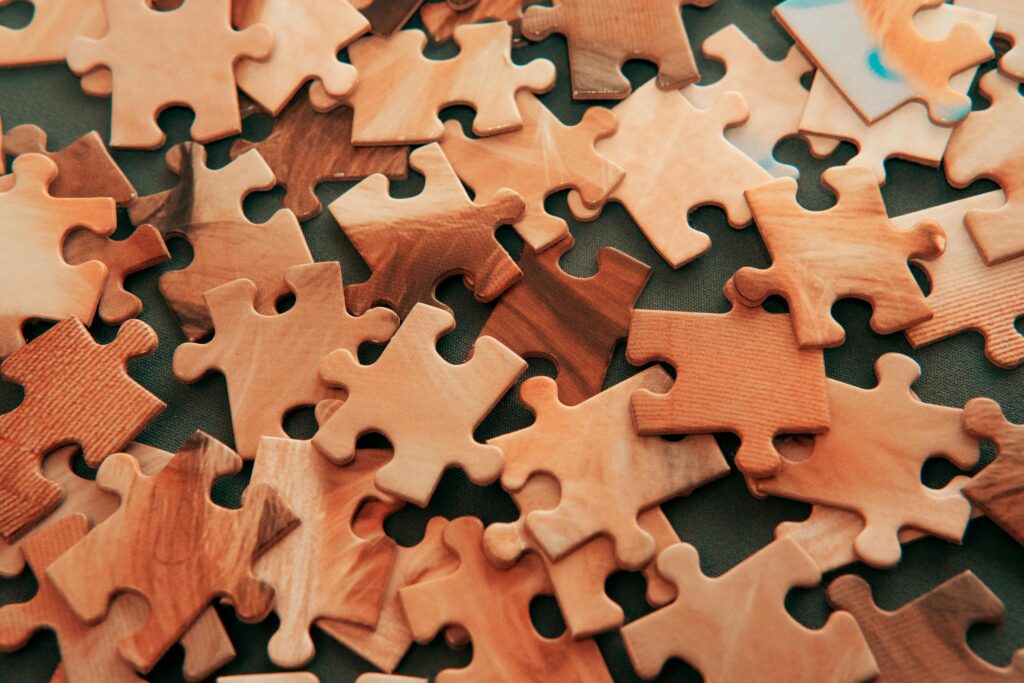
Photo by Dmitry Demidov
Branded décor products occupy a unique position in corporate marketing. Unlike traditional promotional items designed for short-term use, décor items integrate directly into physical environments. When selected and executed well, branded puzzle sets, clocks, and décor pieces become long-term brand assets rather than temporary giveaways. Their value lies not in volume distribution, but in sustained visibility and perceived permanence.
As marketing strategies mature, brands are moving away from disposable items and toward products that live in offices, homes, and shared spaces. This shift aligns with broader trends focused on longevity, retention, and brand credibility. Branded décor products support these goals by embedding brand presence into everyday environments without demanding attention.
Why Branded Décor Creates Long-Term Brand Presence
Puzzle sets are one of the most overlooked yet effective branded décor categories. Branded puzzles introduce interaction, focus, and time investment. Unlike passive promotional items, puzzles require engagement. This creates a deeper cognitive association with the brand. When puzzles are designed with thoughtful visuals, subtle branding, and quality materials, they function as both entertainment and décor.
In corporate settings, puzzle sets work particularly well as client appreciation gifts, onboarding items, or milestone recognition pieces. A completed puzzle often ends up displayed or stored for repeat use, extending its lifespan far beyond a typical giveaway. From a brand perspective, this translates into repeated exposure and positive association linked to calm, focus, or shared activity.
Clocks represent another high-retention décor category. A branded clock delivers one of the most valuable forms of visibility: time-based repetition. Every glance reinforces brand presence without interruption. Unlike digital ads or signage, clocks are functional necessities that blend naturally into environments.
Wall clocks, desk clocks, and minimalist timepieces work best when branding is restrained. Overly promotional designs reduce usability. Branded décor products like clocks should prioritise legibility, aesthetic neutrality, and material quality. When executed correctly, the brand becomes part of the environment rather than an overlay on it.
Clocks are especially effective in offices, reception areas, meeting rooms, and home workspaces. They support brand consistency in physical spaces and reinforce professionalism. For internal branding, clocks contribute to a cohesive environment across departments or locations. For client-facing spaces, they signal stability and attention to detail.
Decorative items such as framed prints, wall panels, desk ornaments, and functional décor pieces also offer strong branding potential. These items work best when they reflect brand values rather than promotional messaging. Abstract visuals, typographic treatments, or brand-aligned colour palettes allow décor to feel intentional rather than commercial.
Branded décor products perform well when aligned with spatial context. Office décor differs from home décor, and shared spaces require neutrality. Successful décor branding considers where the item will live and how it will be perceived over time. Subtlety is essential. Décor should enhance a space, not dominate it.
One of the key advantages of décor items is longevity. A framed print or desk ornament may remain in place for years. This dramatically reduces the cost per impression compared to short-lived promotional items. From an ROI perspective, décor delivers value through sustained exposure rather than immediate reach.
Another important factor is emotional neutrality. Unlike apparel or personal accessories, décor items are less tied to individual identity. This makes them easier to accept and retain. Recipients are less likely to discard décor that fits naturally into their environment, even if branding is present.
Bundling décor items with print elements increases strategic impact. A branded puzzle paired with a printed story card, or a clock presented in branded packaging, adds context and intention. Print supports narrative. Décor delivers longevity. Together, they form a cohesive brand experience rather than a standalone product.
Branded décor products are also well suited to recognition and milestone campaigns. They communicate permanence and appreciation more effectively than disposable items. A clock marking a company anniversary or a puzzle celebrating a project completion carries symbolic weight. This elevates the gift from promotional to commemorative.
Quality control is critical in this category. Poor materials, inaccurate printing, or cheap finishes undermine credibility. Décor items are judged more harshly than giveaways because they occupy visible spaces. Working with experienced production partners ensures that materials, finishes, and branding choices align with long-term use. This is where strategic guidance from Kawaii Labs Corporate plays an important role in aligning product choice with brand intent.
Planning also matters. Décor items require longer lead times and more thoughtful design processes. Last-minute execution often results in generic visuals or compromised quality. Brands that plan décor campaigns early achieve better alignment across print, packaging, and distribution.
Measurement of décor-based campaigns should focus on retention and placement rather than quantity. A single décor item displayed for years delivers more value than dozens of items used briefly. Branded décor products succeed when they become part of the environment rather than part of a campaign.
Branded puzzle sets, clocks, and décor are not high-volume promotional tools. They are high-impact brand assets. When selected with purpose and restraint, they reinforce credibility, stability, and long-term presence. In a landscape increasingly focused on meaningful engagement, décor-based branding offers quiet, consistent visibility that outperforms louder alternatives over time. ever.