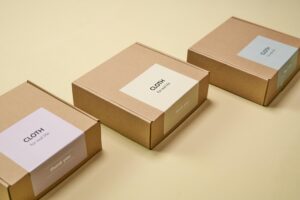
Photo by Kawaii Labs
The unboxing moment is often the first physical interaction a customer has with a brand. Long before a product is used, judged, or reviewed, the packaging sets expectations. Unboxing experience design has become a critical part of brand strategy because it shapes perception at a highly emotional moment. When handled intentionally, unboxing reinforces value, trust, and care. When neglected, it undermines even the best product.
A memorable unboxing experience is not about excess. It is about clarity, sequence, and intention. Brands that confuse unboxing with luxury spending often miss the point. Customers respond to coherence and thoughtfulness more than expensive materials. The goal is to make the customer feel considered, not overwhelmed.
The unboxing experience begins before the box is opened. Outer packaging communicates the first signal. Clean branding, sturdy construction, and appropriate sizing matter. Oversized boxes feel wasteful. Under-protected packaging feels careless. Right-sized packaging signals competence and respect for the product and the customer.
Why the Unboxing Moment Matters More Than Ever
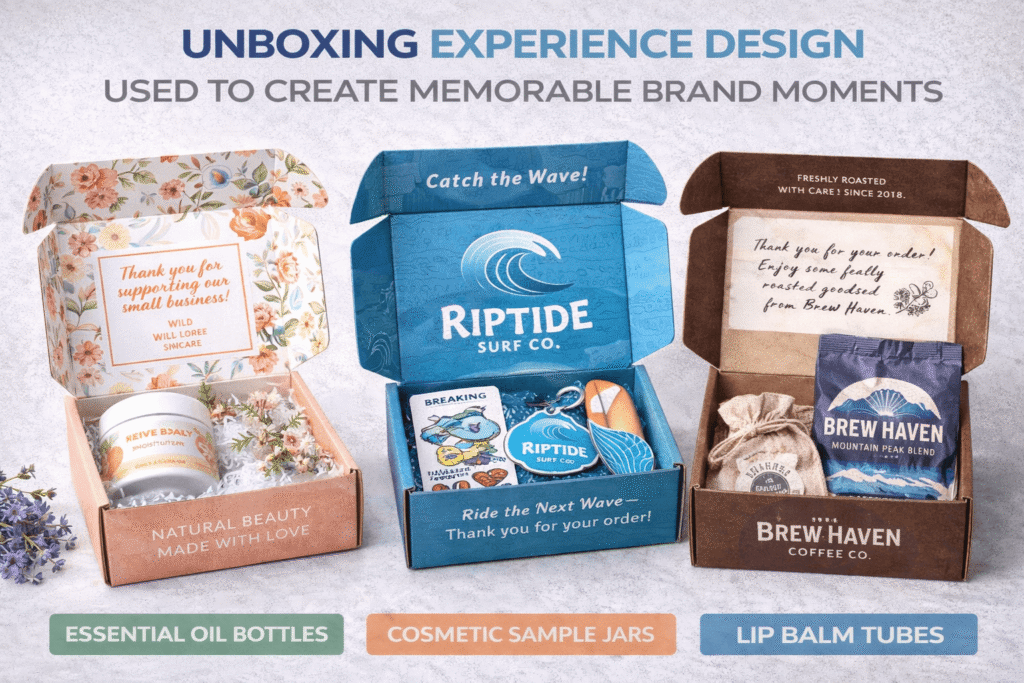
Once opened, structure becomes critical. Unboxing experience design should guide the customer through a deliberate sequence. What they see first should feel intentional. A branded insert, a neatly placed product, or a clear visual hierarchy creates calm and anticipation. Loose items or cluttered interiors break trust immediately.
Print plays a central role in this process. A simple printed card can carry more emotional weight than elaborate packaging. Messaging should be minimal and purposeful. Thank-you notes, care instructions, or short brand statements work best when they sound human rather than promotional. Overwritten messaging feels generic and dilutes impact.
Material choice affects perception more than cost. Paper texture, rigidity, and finish all contribute to how quality is perceived. Matte finishes often feel more refined and deliberate. Gloss finishes can work, but only when aligned with brand tone. Consistency across materials reinforces professionalism.
Colour and contrast should support calm rather than distraction. Unboxing experience design benefits from restraint. A limited colour palette feels more intentional than multiple competing tones. Brand colours should appear where they matter, not everywhere they can fit. Negative space is a design tool, not wasted area.
Product protection is part of the experience. Tissue paper, sleeves, or inserts should secure items without creating frustration. Excessive layers slow the experience and feel performative. Insufficient protection creates anxiety. The balance lies in making the product feel safe and valued without adding unnecessary steps.
Order matters. Customers subconsciously read meaning into sequence. Seeing a note before the product creates a personal moment. Seeing the product first creates anticipation. Brands should choose deliberately based on what they want the customer to feel. Unboxing experience design is emotional choreography.
Cohesion across elements is essential. Packaging, print, labels, and product presentation should feel like parts of the same system. Mixed styles or inconsistent quality break immersion. A single weak element can undermine the entire experience. Consistency builds trust faster than novelty.
Practicality should never be sacrificed for aesthetics. Customers remember frustration more vividly than delight. Packaging that is difficult to open, messy to dispose of, or impractical to reuse creates friction. A memorable unboxing moment feels smooth, intuitive, and respectful of time.
Sustainability has become inseparable from unboxing perception. Excess packaging is increasingly viewed as irresponsible rather than premium. Recyclable materials, minimal waste, and purposeful design choices signal awareness. Unboxing experience design that prioritises longevity and restraint strengthens brand credibility.
Personalisation adds impact when used sparingly. A printed name is not always necessary. Contextual personalisation such as campaign messaging, order-specific inserts, or role-based notes can feel just as meaningful while remaining scalable. Forced personalisation often feels automated rather than thoughtful.
For repeat customers, consistency matters more than surprise. A recognisable unboxing system builds familiarity and trust. Small variations can refresh the experience, but the core structure should remain stable. Brands that constantly change packaging risk diluting recognition.
The unboxing moment also influences post-purchase behaviour. Customers are more likely to share experiences that feel intentional. Social sharing is not driven by extravagance, but by coherence and detail. A clean, considered unboxing is more shareable than an overdesigned one.
Operational feasibility must be considered early. Unboxing experience design should align with packing workflows, storage constraints, and shipping realities. Beautiful concepts that cannot be packed efficiently often collapse under scale. Design must support execution, not fight it.
Testing is essential. Brands should assemble and open their own packages regularly. Small issues such as shifting contents, unclear messaging, or awkward folds are easy to miss until experienced firsthand. Testing protects both brand perception and operational efficiency.
Working with experienced print and packaging partners improves outcomes significantly. Strategic guidance helps brands focus on what actually matters rather than unnecessary embellishment. Collaboration with Kawaii Labs Corporate supports this process by aligning design intent, print quality, and production practicality into a cohesive system.
Planning ahead allows refinement rather than compromise. Rushed packaging decisions often lead to generic solutions or avoidable mistakes. Unboxing experience design benefits from early integration into product and brand planning.
Ultimately, creating a memorable unboxing moment is about respect. Respect for the product, the customer, and the brand itself. When every element feels intentional, customers notice, even if they cannot articulate why.
In competitive markets, products may be similar. Experiences are not. A thoughtful unboxing moment becomes part of the product value, not an accessory to it. Brands that understand this turn packaging into a lasting impression rather than a disposable container.