
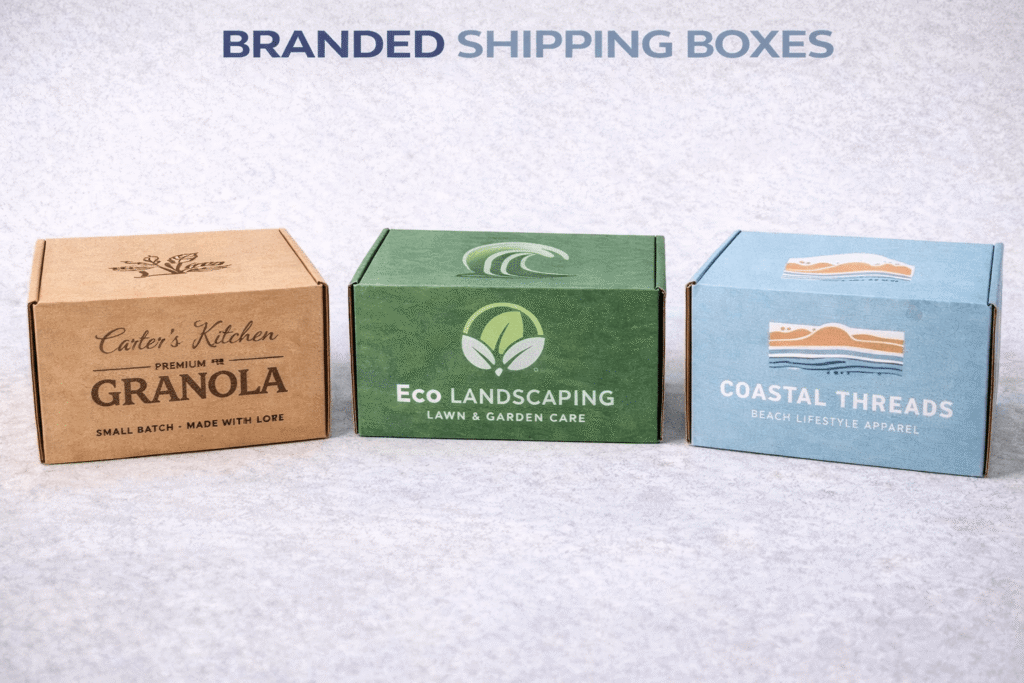
Photo by Kawaii Labs
We’re living in a hyper-digital world, but physical marketing isn’t just alive—it’s thriving. As online noise iShipping boxes are often treated as purely functional, yet they represent one of the most visible brand touchpoints in the delivery journey. Before a customer opens a package, the box has already communicated something about the brand. Branded shipping boxes turn a necessary logistics component into a consistent, repeatable branding asset that works at scale.
The value of branded shipping boxes lies in familiarity. Customers recognise them before opening, which builds anticipation and trust. This recognition matters even more for repeat buyers, where consistency reinforces reliability. A plain box does the job. A branded one does the job and strengthens brand memory.
Why Shipping Boxes Are a Branding Opportunity
The first decision in branding shipping boxes is determining the level of branding required. Full-coverage printing is not always necessary. In many cases, a single-colour logo, a repeated pattern, or a strong brand mark placed consistently delivers better results than complex artwork. Restraint improves scalability and keeps costs predictable.
Material choice sets the foundation. Corrugated cardboard remains the standard for shipping boxes because it balances strength, weight, and cost. The grade and flute type should be selected based on product weight and shipping conditions. Over-specifying increases costs and waste. Under-specifying risks damage and erodes trust. Branded shipping boxes should protect contents without excess.
Print method affects both cost and consistency. Flexographic printing is commonly used for large runs and simple designs, offering durability and cost efficiency. Digital printing allows more flexibility for shorter runs or variable designs but may carry higher unit costs. The choice should align with volume, budget, and long-term plans rather than one-off needs.
Colour usage should be intentional. Many brands opt for one or two colours to control cost and maintain clarity. Natural kraft boxes with dark ink often communicate sustainability and practicality. White boxes with clean branding feel more polished and premium. The substrate itself becomes part of the brand message.
Logo placement matters more than size. Logos should be positioned where they are visible during handling and delivery. Side panels are often more visible than tops once boxes are stacked or carried. Consistent placement across box sizes improves recognition and simplifies design systems.
Typography and messaging should remain minimal. Shipping boxes are not the place for long explanations. A short tagline or brand mark is usually sufficient. Overloading boxes with text increases print costs and visual noise without improving recall. Recognition beats explanation at this stage.
Standardisation is one of the biggest advantages of branded shipping boxes. Using a small range of box sizes with consistent branding reduces inventory complexity and print costs. Variable information such as order details, addresses, or product names can be handled with labels rather than printed directly on the box. This keeps the box design universal and reusable.
Sustainability considerations are inseparable from shipping box branding. Customers increasingly associate excessive packaging with waste. Right-sizing boxes, using recyclable materials, and limiting ink coverage all support responsible branding. Branded shipping boxes that feel efficient rather than excessive communicate maturity and awareness.
Durability of print is another factor. Boxes are handled, stacked, and transported through multiple environments. Ink rub-off, smudging, or fading reflects poorly on the brand. Print specifications should account for friction and moisture exposure. Durable inks and appropriate finishes protect appearance throughout the delivery process.
Interior branding can add value without increasing exterior print costs. A simple interior message, pattern, or colour can elevate the unboxing experience while keeping the outside clean and understated. This approach concentrates brand impact where it matters most, without drawing attention during transit.
Operational efficiency should guide design decisions. Branded shipping boxes must integrate smoothly into packing workflows. Complex folding, orientation-specific designs, or fragile print areas slow down fulfilment and increase error rates. The best designs are intuitive for both packers and recipients.
Scalability is critical. Branding systems should hold as volumes grow. Designs that rely on multiple versions or tight tolerances become difficult to manage at scale. Simple, repeatable branding ensures consistency across batches and suppliers.
Cost should be evaluated over time, not per unit alone. While branded shipping boxes may cost more upfront than plain boxes, they reduce the need for additional branding materials such as stickers or inserts. Over repeated shipments, the box itself becomes a cost-effective branding tool.
Testing should never be skipped. Sample boxes should be packed, shipped, and opened internally. This reveals issues with strength, print durability, and visual impact that are not obvious in mock-ups. Testing protects both budget and brand perception.
Consistency across channels strengthens impact. Shipping box branding should align with other packaging elements such as mailers, inserts, and labels. When all elements feel part of the same system, the experience feels deliberate rather than assembled.
Working with experienced print and packaging partners improves outcomes significantly. Strategic guidance helps brands choose materials, print methods, and design approaches that balance cost, durability, and visual consistency. Collaboration with Kawaii Labs Corporate supports this process by aligning branding goals with practical production realities.
Planning ahead enables better pricing and quality control. Branded shipping boxes ordered in advance allow for volume efficiencies and proper testing. Last-minute decisions often lead to compromises that undermine both cost and appearance.
Ultimately, branded shipping boxes are about presence. They represent the brand before the product is touched. When designed with intention, they communicate reliability, care, and consistency without saying much at all.
In a competitive market, small details shape perception. A well-branded shipping box does not shout. It signals confidence. By treating shipping boxes as brand assets rather than packaging necessities, businesses turn everyday logistics into a powerful, repeatable branding moment.