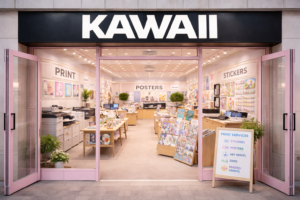

Photo by RDNE Stock project
Why Print Still Matters in Educational Workshops
Educational workshops are designed to teach, guide, and inspire action. While digital tools play an important role, print remains one of the most effective ways to support learning in live or facilitated sessions. Printed materials anchor attention, reduce distraction, and provide a physical reference participants can return to long after the session ends.
Workshop print kits are not about replacing instruction. They support it. They help structure content, guide participation, and reinforce key messages. When thoughtfully assembled, they improve comprehension, retention, and perceived value of the session.
Participants often associate printed materials with preparation and professionalism. A well-designed workshop print kit signals that the session has been planned intentionally, which increases trust and engagement from the start.
At https://corporate.kawaiilabs.com, workshop print kits are treated as learning tools rather than handouts. Each component serves a clear educational purpose.
What a Workshop Print Kit Actually Is
A workshop print kit is a coordinated set of printed materials designed to support an educational session. It provides structure before, during, and after the workshop.
Unlike generic handouts, a print kit is assembled with flow in mind. Materials are introduced at specific moments rather than all at once. This pacing supports learning and prevents overload.
A complete workshop print kit typically supports three phases:
- Orientation and expectations
- Active participation during the session
- Post-session reinforcement and reference
When these phases are planned intentionally, printed materials enhance rather than distract from instruction.
Core Components of Effective Workshop Print Kits
The most effective workshop print kits are modular. They include only what is needed to support learning, not everything that could be printed.
Participant Workbooks
Workbooks are the foundation of most workshop print kits. They provide structure, prompts, and space for reflection. Unlike slide decks, workbooks encourage active participation.
Effective workbooks use clear sections, guided exercises, and intentional white space. They should support note-taking rather than replicate the presenter’s content verbatim.
Well-designed workbooks improve retention because participants engage physically with the material.
Reference Sheets and Frameworks
Reference sheets summarise key concepts, frameworks, or processes. These are especially useful for technical or strategic workshops.
Providing concise reference materials prevents participants from feeling overwhelmed. They can focus on understanding during the session, knowing they have a reliable summary to revisit later.
Reference sheets are often the most kept and reused items in a print kit.
Worksheets and Activity Pages
Worksheets support interaction. They guide group exercises, discussions, or individual reflection.
Print worksheets are especially effective in workshops because they remove the friction of switching between devices. Everyone engages at the same pace and within the same structure.
Clear instructions and purposeful design are essential. Confusing worksheets disrupt flow and reduce engagement.
Agenda and Session Guides
Including a printed agenda sets expectations and reduces anxiety. Participants know what will be covered and how the session will progress.
Agendas also help facilitators manage time and transitions. When participants understand the structure, they engage more confidently.
Certificates or Completion Documents
Certificates or completion acknowledgements add perceived value, especially in professional or accredited workshops. They provide closure and recognition for participation.
Even informal workshops benefit from some form of printed takeaway that marks completion.
Designing Workshop Print Kits for Learning, Not Decoration
Design plays a critical role in educational effectiveness. Workshop print kits should prioritise clarity and usability over visual complexity.
Typography should be legible for extended reading. Layouts should guide the eye naturally. White space improves focus and reduces fatigue.
Over-designed materials distract from learning. Clean, structured layouts perform better in educational environments.
Consistency across all materials is essential. When participants move between pages and formats, the experience should feel cohesive and intuitive.
At Kawaii Labs Corporate, educational print design is guided by learning psychology rather than aesthetics alone.
How Print Kits Improve Engagement and Retention
Workshop print kits improve learning outcomes in several ways.
They reduce cognitive load. Participants do not need to remember everything because key points are captured in print.
They encourage active participation. Writing, highlighting, and marking materials increases engagement.
They extend the learning experience beyond the session. Printed materials remain accessible without login barriers or screen fatigue.
They improve perceived value. Participants often rate workshops higher when they receive well-designed materials.
These benefits apply across corporate training, community education, academic workshops, and professional development sessions.
Customising Print Kits for Different Workshop Types
Not all workshops require the same materials. Customisation ensures relevance.
Strategic workshops may prioritise frameworks and worksheets. Skills-based workshops may focus on step-by-step guides. Educational outreach workshops may include simplified visuals and summaries.
Audience matters. Adult learners, students, professionals, and community groups engage differently. Print kits should reflect these differences in tone, complexity, and format.
Customisation does not mean complexity. It means intention.
Packaging and Presentation of Workshop Print Kits
Presentation affects perception. A neatly assembled print kit communicates professionalism and care.
Folders, envelopes, or simple wraps keep materials organised. Loose pages feel temporary and disposable.
Printed covers or title pages set context and reinforce branding. However, branding should remain subtle to avoid distraction.
Packaging should support usability rather than add unnecessary bulk.
Print Kits in Hybrid and Digital-Supported Workshops
Even in hybrid or digitally supported workshops, print kits add value. They provide a stable reference when screens are shared or sessions move quickly.
Hybrid workshops benefit from print because it levels the experience between in-person and remote participants when kits are distributed in advance.
Print does not compete with digital. It complements it.
Common Mistakes in Workshop Print Kits
Several mistakes reduce effectiveness:
Including too many materials
Overloading pages with information
Designing for appearance instead of usability
Distributing everything at once
Failing to align print with session flow
Avoiding these mistakes ensures print kits support learning rather than hinder it.
Measuring the Effectiveness of Workshop Print Kits
Effectiveness can be measured through participant feedback, engagement levels, and post-session retention.
Questions to consider include:
- Did participants use the materials during the session?
- Were materials referenced afterward?
- Did they improve understanding or confidence?
Consistent positive feedback indicates strong alignment between print and learning objectives.
Why Workshop Print Kits Are Worth the Investment
Workshop print kits improve structure, engagement, and retention. They make sessions feel intentional and complete.
For facilitators, they simplify delivery. For participants, they enhance learning. For organisations, they improve perceived value and outcomes.
Print kits are not an added cost. They are a learning multiplier.
Final Thoughts on Workshop Print Kits for Educational Sessions
Workshop print kits work best when they are designed with purpose. Every page should support learning. Every component should have a role.
When print is aligned with educational goals, it becomes an active participant in the session rather than a passive takeaway.
Workshop print kits elevate educational sessions by making learning tangible, structured, and lasting. When done right, they turn workshops into experiences that continue delivering value long after the session ends.