
Photo by Liza Summer
Why Print Is Critical in Collaborations
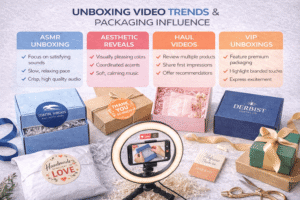
Influencer marketing lives and dies by presentation. Before captions are written or videos are filmed, the first interaction happens through the box itself. Influencer boxes are not just delivery packaging. They are staged experiences designed to be opened, explored, photographed, and shared.
Print plays a defining role in that experience. It shapes first impressions, guides storytelling, and influences how the brand is framed in content. Without strong print elements, even the most generous influencer box can feel underwhelming or generic.
Print for boxes and collabs is not about adding more items. It is about controlling narrative, clarity, and visual cohesion. Influencers create content fast. Print helps them understand what to show, what to say, and how to position the brand correctly without explicit instruction.
At Kawaii Labs Corporate, influencer collabs are treated as a content-enablement tool rather than simple packaging.
Understanding How Influencers Interact With Boxes
Collaborations are experienced differently from customers. They are evaluating:
- Visual impact
- Brand clarity
- Story potential
- Audience relevance
They also interact with boxes through a camera lens. Flat layouts, clear typography, and layered reveals matter more than quantity or complexity.
Print elements should be designed to be camera-friendly. High contrast, legible text, and intentional spacing ensure details are visible on screen and in photos.
When print is unclear or cluttered, influencers may omit it entirely from content. That is a lost branding opportunity.
Core Print Elements Every Influencer Box Needs
Successful collaborations rely on a small set of essential print components, each with a specific role.
Printed Welcome or Intro Card
The intro card sets context. It explains who the brand is, why the influencer was chosen, and what the collaboration represents.
This card should be concise and visually strong. Influencers often read or show it on camera. Clear messaging ensures the brand story is communicated accurately.
Personalisation improves impact. Using the influencer’s name or referencing their work signals intention rather than mass distribution.
Brand Story or Product Information Card
Influencers need to understand what they are promoting quickly. A short brand or product information card supports this without requiring lengthy emails or PDFs.
This card should highlight:
- What the product is
- Why it exists
- What makes it different
Avoid marketing jargon. Influencers translate information into their own voice. Clear, human language works best.
Instruction or Usage Guides
If the product requires explanation, printed instructions are essential. Influencers will not guess.
Clear usage guides prevent misrepresentation and reduce the risk of incorrect demonstrations. This protects both brand and influencer credibility.
Well-designed guides also encourage influencers to show the product in use rather than just unboxing it.
Hashtag and Tag Prompt Cards
Subtle guidance helps content align with campaign goals. A small printed card listing preferred hashtags, handles, or mentions makes compliance easier without feeling restrictive.
These cards should feel optional, not prescriptive. Influencers value creative freedom. Gentle prompts are more effective than rigid instructions.
Packaging Inserts and Layering Pieces
Print layers add depth to the unboxing experience. Tissue wraps, belly bands, stickers, or printed dividers create moments within the box.
Layering slows down the reveal, which improves content pacing and engagement. Each layer offers another visual opportunity.
Minimal branding across layers maintains cohesion without overwhelming the experience.
Designing Print for Shareability
Print for influencer boxes must be designed with sharing in mind. This means considering how it looks on camera, not just in person.
Matte finishes reduce glare. High-contrast colour palettes improve visibility. Avoid overly small text or intricate details that disappear on screen.
Square or postcard-sized inserts frame well in flat-lay shots. Vertical cards suit story-style content.
Design choices should support content creation rather than complicate it.
Consistency Across Collaborations
Influencer campaigns often involve multiple creators. Consistent print ensures brand recognition across different content styles.
This does not mean identical boxes. It means shared visual language. Colours, typography, and layout systems should align even when designs vary slightly.
Consistency improves campaign cohesion. Audiences recognise the brand even as content formats differ.
At Kawaii Labs Corporate, influencer print systems are designed to scale across multiple creators without losing identity.
Budget-Conscious Print That Still Performs
Influencer print does not need to be expensive to be effective. Small, well-designed pieces outperform large, generic ones.
A single strong intro card and one layered print element often deliver more impact than a box full of filler.
Print-on-demand and short-run printing support smaller campaigns without waste. Reusable core designs with custom overlays balance cost and personalisation.
Budget should be allocated toward clarity and quality rather than quantity.
Print as a Brand Safety Tool
Influencer marketing carries risk. Print reduces that risk by guiding messaging and usage clearly.
When influencers understand the brand and product, they communicate it more accurately. This reduces misalignment and corrective follow-up.
Print also provides a reference point. Influencers can revisit printed materials when writing captions or planning content.
Measuring the Impact of Print in Influencer Campaigns
While print itself is not tracked digitally, its impact shows up in content quality and consistency.
Indicators include:
- Inclusion of printed elements in posts
- Accuracy of brand messaging
- Depth of product explanation
- Audience engagement
Campaigns with strong print support tend to produce more structured, confident content.
Common Mistakes in Influencer Box Printing
Several mistakes weaken influencer collaborations:
- Overloading boxes with print
- Using generic, non-personalised messaging
- Poor print quality
- Over-branding every surface
- Ignoring camera considerations
Avoiding these mistakes improves both influencer experience and campaign results.
Why Print Strengthens Influencer Relationships
Thoughtful print signals respect. It shows influencers that the brand has invested effort, not just budget.
This improves goodwill and increases the likelihood of authentic engagement. Influencers are more enthusiastic when they feel valued rather than used.
Print also supports long-term relationships. Influencers remember brands that make collaborations easy and enjoyable.
Final Thoughts on Print for Influencer Boxes and Collabs
Print is not an accessory in influencer marketing. It is a strategic tool that shapes narrative, clarity, and shareability.
Print for influencer boxes and collabs works best when it supports content creation rather than distracts from it. Clear messaging, intentional design, and thoughtful layering turn boxes into experiences.
When print is designed with influencers in mind, collaborations feel effortless, authentic, and aligned. That alignment is what turns one-off posts into meaningful brand moments that audiences trust.