Photo by Nadia Abregu
Branded giveaways are often underestimated because they are treated as disposable marketing extras rather than strategic brand assets. When chosen and executed poorly, they become clutter. When chosen intentionally, branded giveaways support recognition, recall, and long-term brand presence in ways few other tools can.
The key difference lies in intent. Giveaways should not exist to simply hand something out. They exist to place a brand into someone’s daily environment in a way that feels useful, appropriate, and relevant. This is where their value compounds over time.
Attention economics explain part of their effectiveness. Digital advertising competes aggressively for limited attention and is quickly forgotten. Giveaways operate outside that noise. They enter physical space, where attention is slower and memory formation is stronger. A well-used item creates repeated exposure without demanding attention.
Usefulness is the first requirement. Items that serve no real purpose are discarded quickly, regardless of branding. Branded giveaways that integrate naturally into routines remain visible longer. Everyday objects such as drinkware, notebooks, desk accessories, and tech items outperform novelty products because they earn continued use.
Trust is reinforced through quality. A flimsy or poorly produced item reflects poorly on the brand behind it. Recipients associate product quality with brand reliability. Giveaways act as physical proof of standards. When quality is high, trust increases subtly but consistently.
Context matters. Giveaways distributed at events, meetings, onboarding moments, or milestones carry different meaning than random handouts. Timing influences perception. A giveaway received at the right moment feels thoughtful rather than promotional.
Brand recall improves through repetition. Seeing a logo once rarely creates memory. Seeing it repeatedly, in a familiar environment, does. Giveaways support this repetition naturally. Each use reinforces recognition without fatigue.
Perceived value often exceeds cost. A well-chosen item can feel more valuable than its actual price, especially when presented well. Packaging, finish, and design all influence perception. Branded giveaways benefit from thoughtful presentation as much as product choice.
Consistency strengthens impact. When giveaways align with broader brand systems, they reinforce identity rather than fragment it. Colour, typography, and tone should match other brand touchpoints. Branded giveaways work best as part of a system, not isolated items.
Longevity determines return. Items designed to last deliver better value than those designed to impress briefly. Branded giveaways should be evaluated on lifespan, not momentary appeal.
Internal use matters too. Employee giveaways influence culture, morale, and advocacy. Staff who use branded items become brand carriers organically. Branded giveaways internally reinforce belonging and professionalism.
Sustainability increasingly influences perception. Disposable or wasteful items undermine credibility. Reusable, durable products align with modern expectations. Branded giveaways that last support both environmental responsibility and brand reputation.
Distribution strategy affects outcomes. Fewer, higher-quality giveaways often outperform large volumes of low-impact items. Targeted distribution improves relevance and reduces waste.
Measurement should focus on behaviour, not volume. Are items used. Are they kept. Do recipients mention them. These signals matter more than unit counts. Branded giveaways succeed when they remain present.
How Branded Giveaways Support Long-Term Brand Value
Branded giveaways contribute to brand building rather than immediate conversion. Their strength lies in memory and familiarity. When decision moments arise later, familiar brands feel safer.
They also support multi-channel marketing. Physical items reinforce digital messaging and vice versa. Branded giveaways create cohesion across experiences.
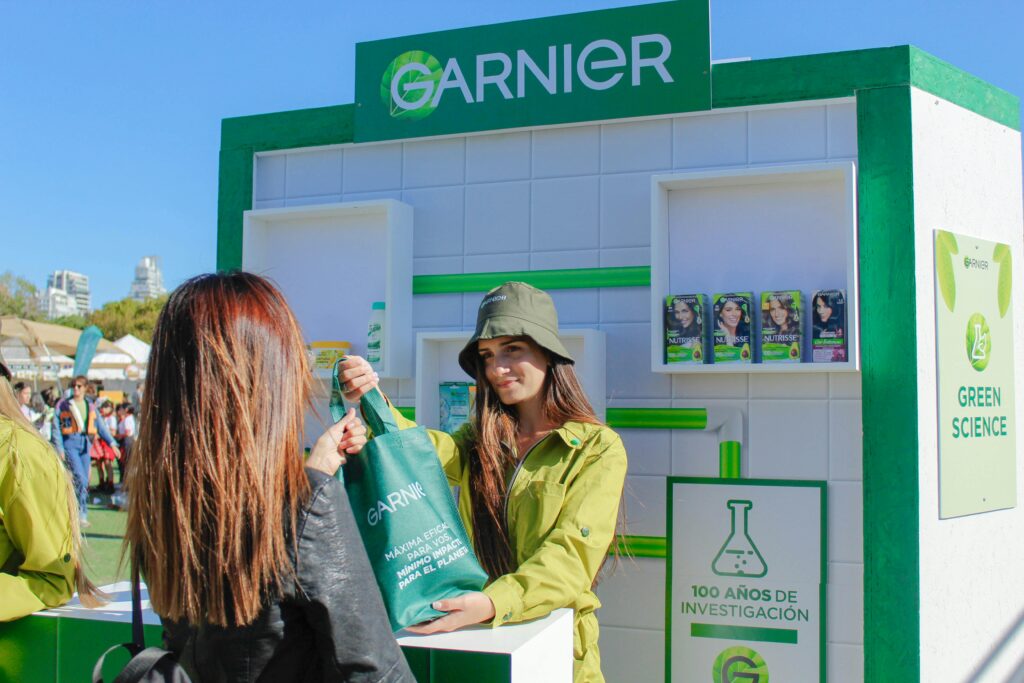
Events benefit significantly. In crowded environments, giveaways extend engagement beyond the booth. Items taken home continue working after the event ends.
Client relationships strengthen through gifting. A practical, well-made item signals appreciation without obligation. Branded giveaways support retention when they feel appropriate and useful.
Onboarding experiences improve with tangible items. New clients or employees feel welcomed and oriented. Branded giveaways provide physical anchors during transitions.
Brand storytelling is reinforced subtly. Materials, design choices, and messaging communicate values without explanation. Branded giveaways show rather than tell.
Over-branding reduces effectiveness. Large logos and loud messaging limit use. Subtle branding increases longevity. Branded giveaways should invite use, not demand attention.
Planning improves outcomes. Last-minute giveaways often default to poor choices. Early planning allows alignment with brand goals and audience needs.
Working with experienced print and promotional partners improves results significantly. Product selection, material quality, and branding methods all influence success. Collaboration with Kawaii Labs Corporate supports this process by aligning branded giveaways with brand systems, production realities, and long-term value.
Ultimately, branded giveaways matter because they operate where brands rarely get access: daily life.
They sit on desks, travel in bags, and appear in shared spaces. They build familiarity quietly and consistently.
When chosen with intention, branded giveaways are not giveaways at all. They are long-term brand touchpoints that continue delivering value long after distribution.