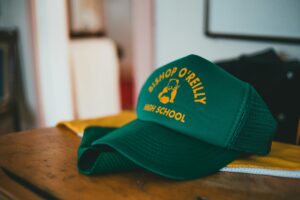

Photo by Kawaii Labs
Branded workwear sits at the intersection of practicality and brand expression. It is worn daily, seen repeatedly, and experienced over long periods. This makes it one of the most powerful yet overlooked brand touchpoints. When designed well, branded workwear supports performance while reinforcing identity quietly and consistently.
Unlike promotional apparel, workwear must earn its place through function first. Comfort, durability, and suitability for the job are non-negotiable. If garments restrict movement, wear poorly, or feel uncomfortable, they will not be worn consistently. When adoption drops, visibility drops with it. Branded workwear only works when people want to wear it.
Function influences perception. Clothing that fits well and performs reliably communicates professionalism before a word is spoken. Customers subconsciously associate the quality of workwear with the quality of service. Workwear becomes a visual shorthand for competence and care.
Identity is reinforced through repetition. Seeing the same colours, logos, and styles across teams builds recognition over time. Workwear creates cohesion in environments where consistency matters, such as retail, logistics, hospitality, manufacturing, and events. It helps customers instantly identify who represents the brand.
Subtle branding is increasingly preferred. Large logos and loud graphics limit where workwear can be worn. Modern workwear trends favour smaller marks, tonal embroidery, or discreet placement that feels professional rather than promotional. This increases comfort and wear frequency.
Material choice plays a critical role. Breathability, stretch, and durability affect daily experience. Poor fabric choices lead to discomfort and early replacement. High-quality materials maintain appearance after repeated washing, protecting both function and brand perception. Branded workwear should be selected for lifespan, not just initial appearance.
Fit matters as much as fabric. One-size-fits-all approaches create discomfort and resistance. Offering multiple fits or inclusive sizing improves adoption. When people feel comfortable and confident, they represent the brand more positively. Branded workwear performs best when it respects the wearer.
Colour selection influences usability. Dark colours hide wear but may retain heat. Light colours show dirt but feel cooler. Branded workwear design should consider environment, role, and practicality alongside brand palette. Function and identity must be balanced deliberately.
Consistency across garments strengthens impact. Mixing styles, colours, or quality levels weakens recognition. Branded workwear works best as a system rather than individual pieces. A controlled collection builds a stronger visual presence.
Durability directly affects cost efficiency. Cheap garments need replacing frequently, increasing long-term spend. Well-made branded workwear reduces replacement cycles and maintains brand standards over time. Longevity improves return on investment.
Internal culture benefits as well. Workwear influences how teams feel about their role and employer. Thoughtful design signals respect and professionalism. Branded workwear contributes to pride, belonging, and confidence.
Safety considerations often apply. High-visibility elements, protective fabrics, or role-specific features must be integrated without compromising brand identity. Branded workwear can meet compliance requirements while still feeling cohesive and intentional.
Designing Branded Workwear That Works
Effective branded workwear begins with understanding how it will be used.
Start with role analysis. Different teams have different needs. Office staff, field workers, retail teams, and event crews require different solutions. Branded workwear should reflect these realities rather than forcing uniformity.
Prioritise comfort and movement. Garments should support long shifts and varied tasks. Comfort directly influences wear frequency and brand visibility.
Choose branding methods carefully. Embroidery, screen printing, and sublimation behave differently over time. The method should match fabric type and usage demands.
Plan for consistency. Define a core workwear range rather than mixing suppliers and styles. Consistency simplifies ordering and strengthens recognition.
Test before rollout. Sample garments reveal fit, comfort, and durability issues early. Testing prevents costly mistakes.
Plan replacement cycles. Branded workwear should be refreshed intentionally rather than reactively. Controlled updates protect consistency.
Involve teams where possible. Feedback improves adoption and reduces resistance. When people feel considered, they represent the brand more confidently.
Align workwear with broader brand systems. Colours, fonts, and tone should match other brand materials. Branded workwear should feel like an extension of the brand, not a separate element.
Work with experienced partners. Apparel production involves material science, branding techniques, and logistics. Collaboration with Kawaii Labs Corporate supports this process by aligning branded workwear with functional requirements, brand identity, and scalable production.
Ultimately, branded workwear succeeds when it stops feeling like a uniform and starts feeling like equipment.
It supports performance first, identity second, and visibility naturally.
When function and identity are aligned, branded workwear becomes one of the most consistent and credible ways a brand shows up in the real world—day after day, interaction after interaction.