
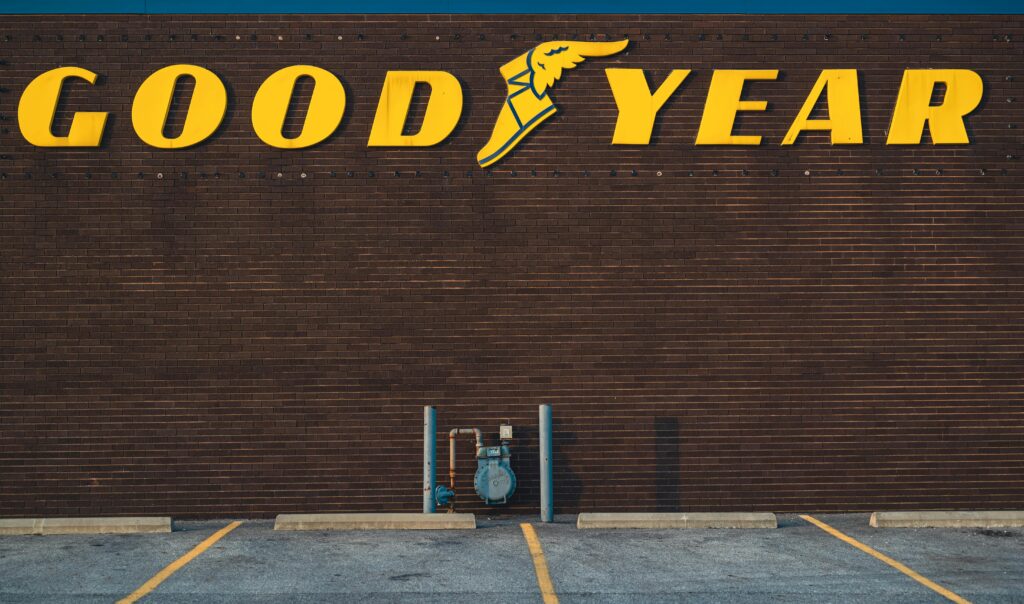
Photo by Chris F
Large format print sits at the intersection of visibility and intention. It is one of the few print categories that can stop people mid-stride, shape perception instantly, and define how a space feels before a word is spoken. When used strategically, large format print transforms blank walls and open floors into brand statements rather than backdrops.
The power of print lies in scale. Size creates presence, but presence alone is not enough. Without clarity and purpose, large print becomes visual noise. The most effective applications balance impact with restraint, ensuring that scale supports the message rather than overwhelming it.
In office environments, large format print often serves cultural and navigational roles. Wall graphics, murals, and oversized statements communicate values, priorities, and identity. These elements influence how employees experience the space daily. Large format print in offices should reinforce behaviour and culture, not simply decorate walls.
Clarity is critical in internal spaces. Employees encounter these visuals repeatedly. Overly complex designs lose relevance quickly. Clean layouts, strong hierarchy, and restrained messaging age better and retain meaning over time. Large format print works best when it feels integrated into the architecture rather than applied as an afterthought.
Material choice affects perception immediately. Matte finishes reduce glare under office lighting and feel more refined. Textured or fabric-based wall coverings add depth without shouting. Large format print in offices should prioritise longevity and comfort rather than short-term impact.
On trade floors and event spaces, the rules shift. Attention is fleeting, competition is intense, and viewing distances vary. Here, large format print must communicate instantly. Logos, headlines, and visual cues need to be readable from distance and at speed. Trade floor environments reward boldness paired with discipline.
Hierarchy becomes even more important in these contexts. The primary message should be visible from across the floor. Secondary information should support interaction up close. Attempting to include too much detail on large surfaces often weakens performance. Large format print at events should guide movement and recognition, not explain everything.
Movement is a constant factor on trade floors. People walk, crowds form, sightlines change. Designs must remain legible from multiple angles and under varied lighting. High contrast, simple shapes, and clear typography outperform intricate designs. Large format print that relies on subtle detail often fails in these environments.
Where Large Format Print Delivers the Most Impact
Large format print delivers different value depending on context, but its strongest impact comes where space and attention intersect. In offices, it shapes atmosphere and reinforces culture through repetition. In reception areas, it establishes professionalism before conversation begins. On trade floors, it competes for attention and anchors brand presence in crowded environments.
Consistency across applications strengthens impact. When office wall graphics, banners, backdrops, and exhibition panels share visual language, the brand feels cohesive. Large format print should be part of a system rather than a series of isolated statements. This consistency builds recognition across contexts.
Durability matters more than many brands expect. Office graphics should withstand cleaning and daily wear. Trade floor prints must survive transport, installation, and repeated use. Choosing appropriate substrates and finishes protects investment. Large format print should be specified for real conditions, not ideal ones.
Installation considerations influence design. Wall graphics must align with architectural features. Exhibition prints must account for seams, frames, and fixings. Ignoring these realities leads to compromised outcomes. Large format print design should always begin with where and how it will be installed.
Lighting interacts strongly with scale. Poor lighting flattens large prints and reduces impact. In offices, even wall washing improves legibility and atmosphere. On trade floors, spotlights and ambient lighting vary widely. Large format print should be designed to perform under uneven lighting rather than relying on controlled conditions.
Negative space is a powerful tool at scale. Large prints do not need to fill every inch. Allowing space around key elements improves readability and creates confidence. Overfilling large surfaces often signals uncertainty. Large format print turns heads most effectively when it knows what to leave out.
Colour discipline is essential. Large areas of colour amplify every choice. Slight mismatches or poor contrast become obvious at scale. Brand colours should be used intentionally, with attention to how they behave under different lighting. Large format print magnifies both strengths and weaknesses.
Message lifespan should guide content decisions. Office installations may remain in place for years. Trade floor graphics may be campaign-specific. Mixing long-term values with short-term messaging creates confusion. Large format print should align content with expected duration.
Portability is a practical factor for event use. Modular panels, fabric systems, and rollable materials simplify transport and reuse. Heavy, rigid prints may look impressive but create logistical challenges. Large format print for trade floors should balance impact with efficiency.
Sustainability considerations are increasingly relevant. Reusable systems, replaceable graphics, and durable materials reduce waste. Large format print that is designed for repeated use delivers better long-term value and aligns with responsible practices.
Audience perspective should guide decisions. Office prints speak primarily to employees and visitors. Trade floor prints speak to strangers. Tone, messaging, and visual language should shift accordingly. Large format print succeeds when it respects who is looking at it and why.
Testing designs at scale reduces risk. What works on a screen often fails on a wall. Reviewing proofs at actual size reveals hierarchy and spacing issues early. Large format print benefits from validation before commitment.
Maintenance planning protects appearance. Faded, peeling, or damaged prints undermine credibility. Regular review ensures installations continue to represent the brand accurately. Large format print should be treated as an asset, not a one-time install.
Integration with other print and display elements strengthens overall effect. Counters, signage, and merchandise should align visually with large format pieces. This cohesion amplifies impact across the space.
Working with experienced print partners improves outcomes significantly. Strategic guidance helps brands choose materials, formats, and systems suited to both office environments and trade floors. Collaboration with Kawaii Labs Corporate supports this process by aligning large format print with brand systems, environmental realities, and long-term use.
Ultimately, large format print turns heads because it commands space confidently. It does not rely on novelty. It relies on clarity, scale, and intention.
From office walls to trade floors, the most effective large format print feels inevitable. It belongs in the space. It communicates without shouting. And it leaves a clear impression long after the viewer has moved on.
When scale is paired with strategy, large format print becomes more than decoration. It becomes a defining element of how a brand is experienced.