
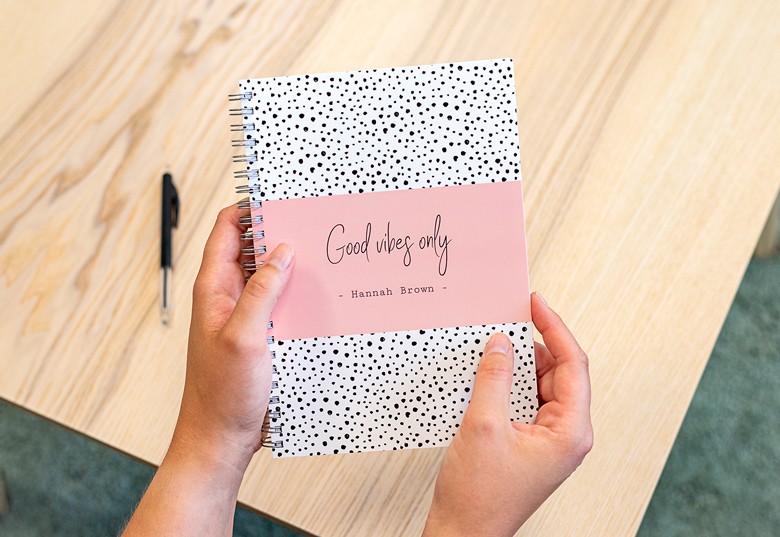
Photo by Laser Crystal
Personalised printing has become one of the most effective ways to increase engagement in a crowded marketing landscape. As audiences grow more resistant to generic messaging, relevance has become the deciding factor in whether communication is noticed or ignored. Printing introduces relevance into physical brand touchpoints in a way digital channels often struggle to achieve.
Engagement begins with recognition. When a printed piece reflects context, role, timing, or behaviour, it immediately signals that the message is meant for the recipient. This sense of recognition slows attention. People are more likely to read, keep, and respond to materials that feel considered rather than broadcast.
Unlike digital personalisation, which is often perceived as automated, personalised printing feels deliberate. Physical materials imply effort. They suggest planning, production, and intention. This perceived effort increases trust and makes recipients more receptive to the message itself.
Importantly, personalisation does not mean individual names on every item. In many cases, contextual relevance is more powerful. Referencing an industry, event, campaign, or use case can feel personal without adding complexity. Personalised printing works best when it focuses on relevance rather than novelty.
Engagement improves when content aligns with the recipient’s reality. Generic brochures are skimmed or discarded. Personalised print pieces that speak to specific challenges or moments are more likely to be read fully. This deeper engagement increases message retention and brand recall.
Print’s physical nature plays a role here. Printed materials are experienced without notifications, pop-ups, or scrolling. Personalised printing benefits from this focused environment. When relevance is combined with physical presence, engagement becomes more intentional and less distracted.
Personalised printing also increases perceived value. A customised element elevates even simple formats. A tailored message inside a standard brochure feels more valuable than a generic premium piece. Value perception is driven by relevance, not cost.
Timing amplifies impact. Personalised printing performs best when aligned with meaningful moments. Onboarding, project milestones, renewals, events, and follow-ups are natural opportunities. In these contexts, customisation feels appropriate rather than promotional.
Consistency must be maintained. Personalisation should enhance brand identity, not override it. Colours, typography, and tone should remain aligned with brand guidelines. Personalised printing strengthens engagement when it feels like part of a coherent system rather than a one-off tactic.
Variable data printing enables this approach at scale. Modern workflows allow content to change while layouts remain consistent. This makes personalised printing efficient rather than resource-intensive. Engagement can increase without sacrificing control or quality.
Internal communication benefits as much as external marketing. Personalised printing supports employee engagement by recognising roles, achievements, or belonging. Internal engagement often translates directly into stronger external brand representation.
From a strategic perspective, personalised printing supports differentiation. Many brands claim to be customer-focused. Few demonstrate it tangibly. Personalised print materials provide visible proof of consideration, setting brands apart without exaggerated claims.
Measurement should focus on quality of response rather than volume. Increased dwell time, follow-up actions, and retention indicate success. Personalised printing often influences decisions indirectly by strengthening familiarity and trust rather than driving immediate conversion.
Using Personalised Printing to Increase Engagement Strategically
Effective personalised printing begins with clarity of purpose.
Define what engagement means in context. Is the goal to inform, reassure, onboard, or re-engage. Purpose determines the level and type of customisation required.
Choose the right formats. Items that are handled repeatedly deliver longer engagement. Notebooks, planners, folders, reference cards, and packaging inserts integrate naturally into workflows. Personalised printing should earn its place through usefulness.
Select the right data points. Over-personalisation can feel intrusive. Light-touch cues such as role-based content, location relevance, or campaign alignment maintain comfort while still increasing engagement.
Align tone carefully. Personalisation should sound human, not scripted. Language should reflect brand voice consistently. Engagement drops when messaging feels forced or artificial.
Plan production early. Personalised printing requires accurate data and proofing processes. Errors undermine trust faster than generic content. Discipline protects credibility.
Test before scaling. Small runs reveal how recipients respond. Feedback helps refine messaging and comfort level.
Integrate print with digital follow-up. Print can introduce or reinforce messages that digital channels continue. Engagement strengthens when channels support each other rather than compete.
Protect data integrity. Accuracy is non-negotiable. Personalised printing depends on trust, and trust depends on correctness.
Standardise where possible. Templates and systems reduce friction and prevent inconsistency. Personalised printing scales best within defined structures.
Work with experienced partners. Successful execution requires both strategic understanding and technical precision. Collaboration with Kawaii Labs Corporate supports personalised printing by aligning customisation with brand systems, print quality, and scalable production.
Ultimately, personalised printing boosts engagement because it restores relevance to communication.
It replaces generic messaging with recognition. It makes people feel acknowledged without being targeted aggressively.
In a landscape where attention is scarce, relevance is currency.
Personalised printing does not shout louder. It speaks more clearly. And when communication feels clear and intentional, engagement follows naturally.